Apps & Games
Macroeconomics
Simulations that turn macroeconomic theory into real decisions.
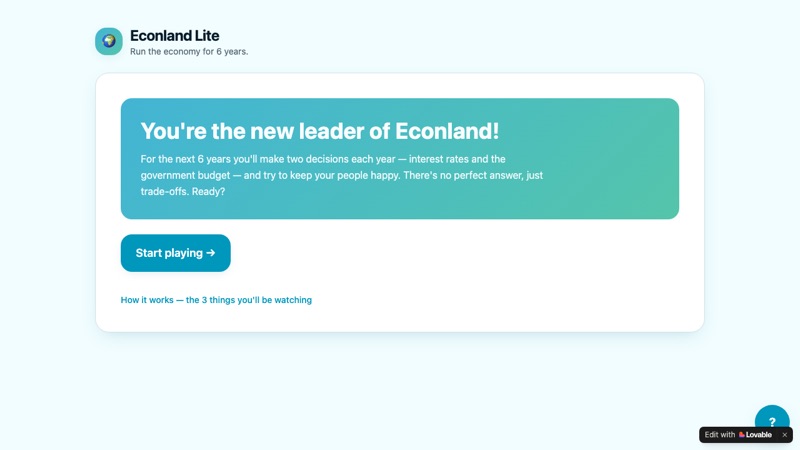
Econland Lite
Students lead a fictional country for six years, setting interest rates and the government budget each year. Every choice moves unemployment, inflation, and public approval — a hands-on introduction to the trade-offs behind real economic policy.
Open open_in_new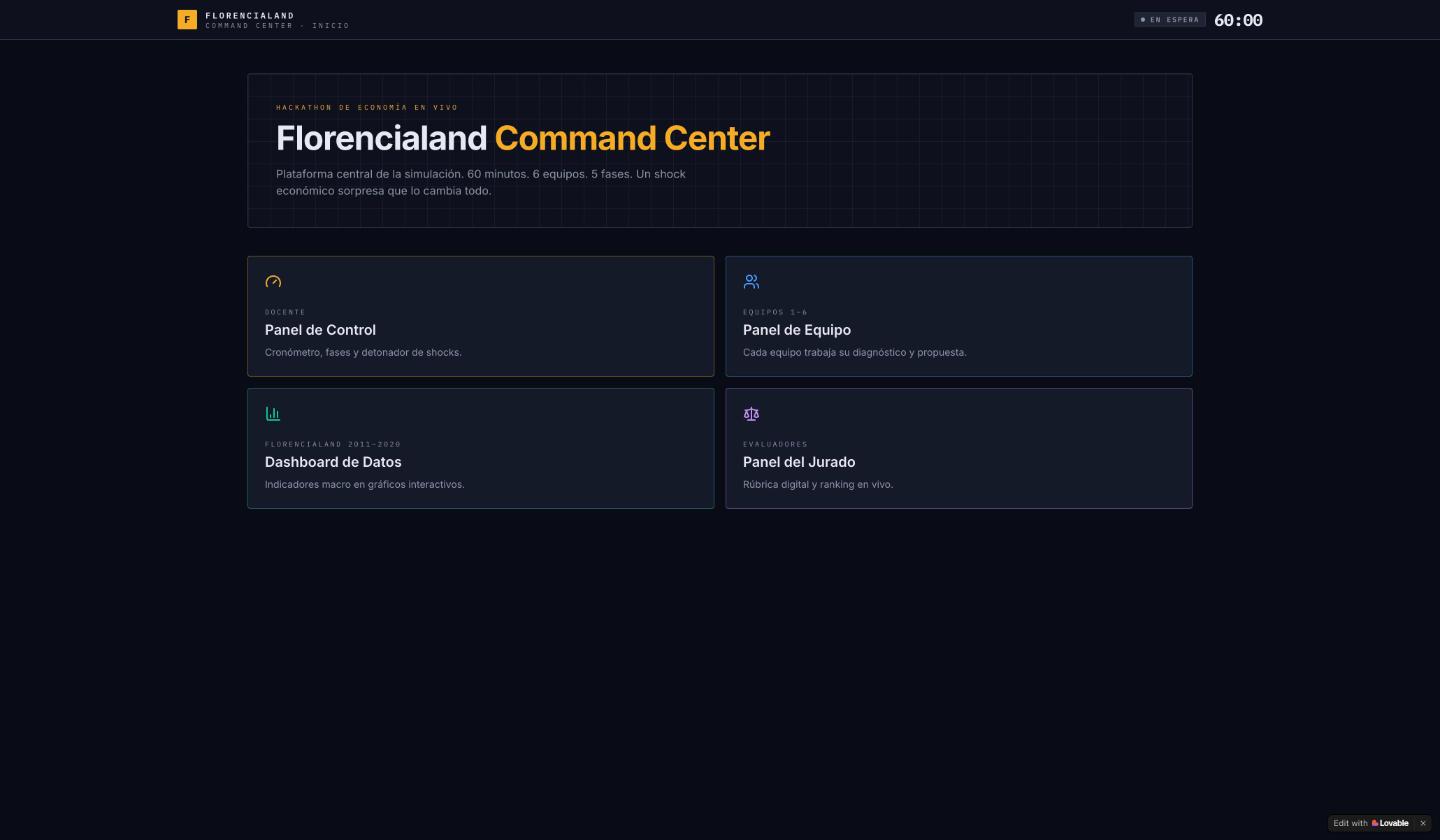
Florencialand Command Center
The platform that runs a 60-minute live hackathon in class: six teams, five phases, a surprise shock that changes everything, and a jury rubric scoring in real time. Separate panels for the instructor, each team and the evaluators.
Open open_in_new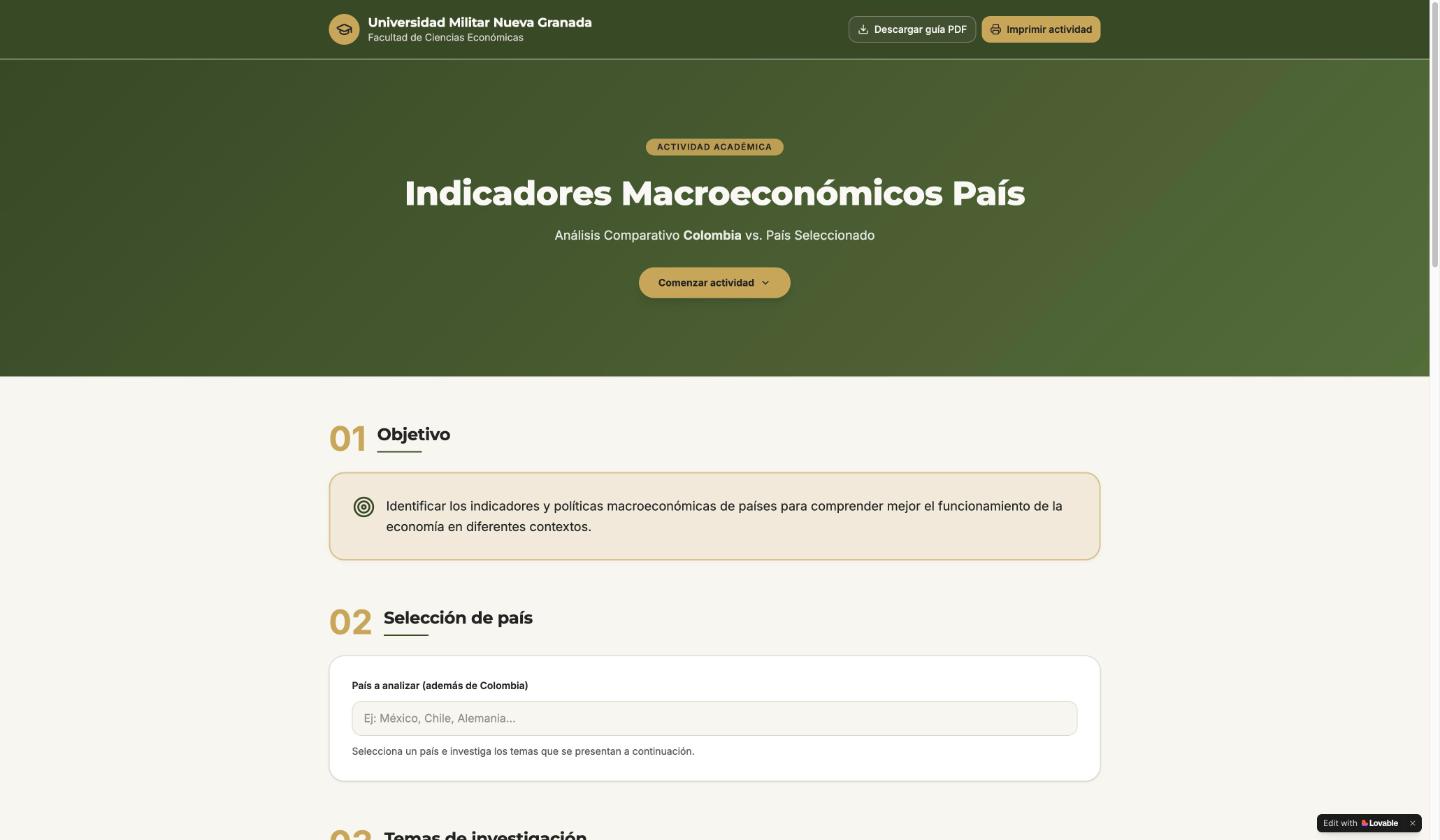
Indicadores Macroeconómicos País
Students pick a country to compare with Colombia and work through a structured research guide on growth, inflation, unemployment and policy. They can export a PDF or print the activity to hand in. Built for the Universidad Militar Nueva Granada.
Open open_in_newMicroeconomics
Short games that put students inside the firms, markets and trade-offs behind Principles of Microeconomics.
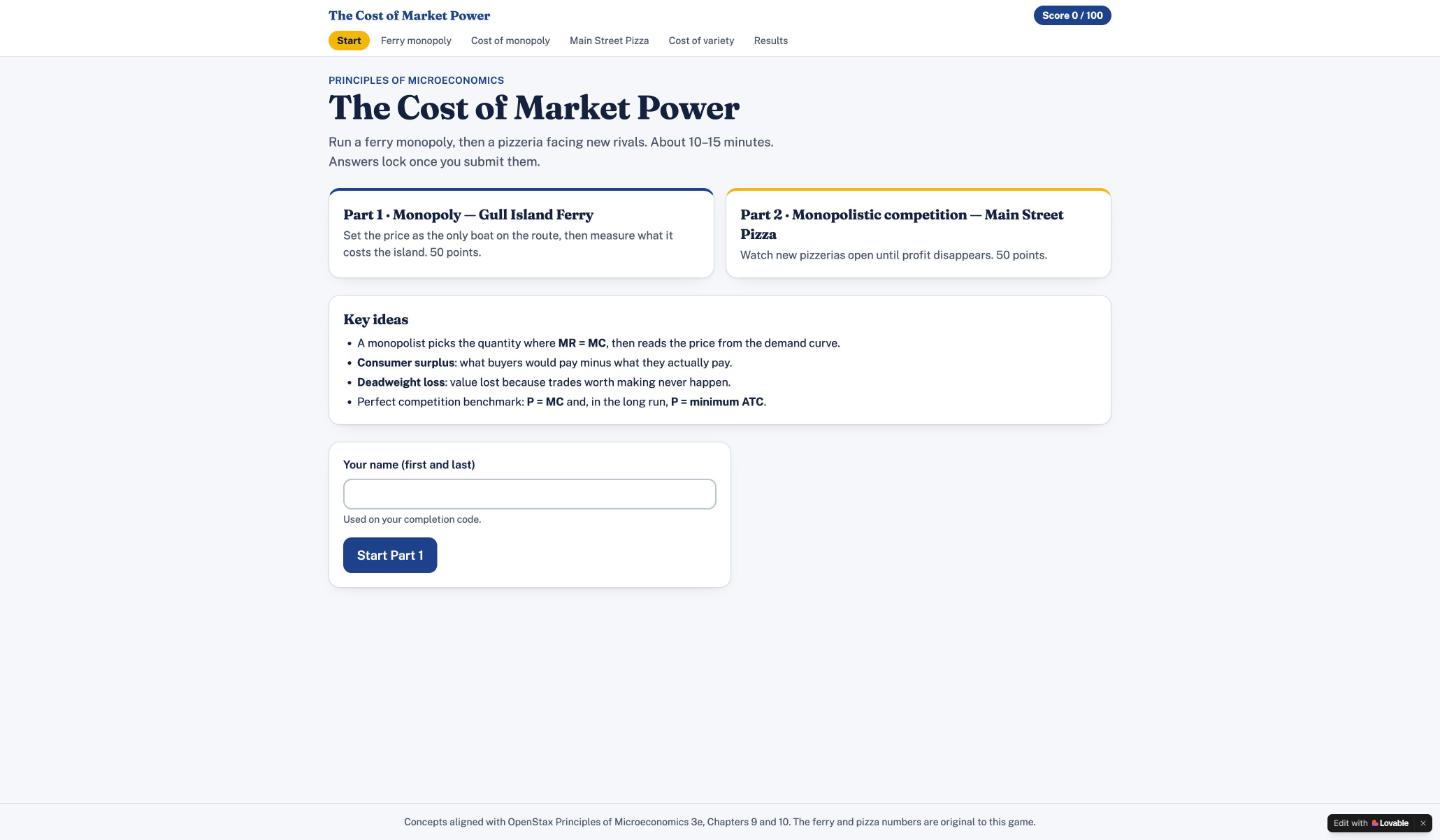
The Cost of Market Power
Students run a ferry monopoly on Gull Island, then a pizzeria facing new rivals on Main Street. In about 10–15 minutes they see consumer surplus, deadweight loss and the long-run squeeze of monopolistic competition for themselves.
Open open_in_new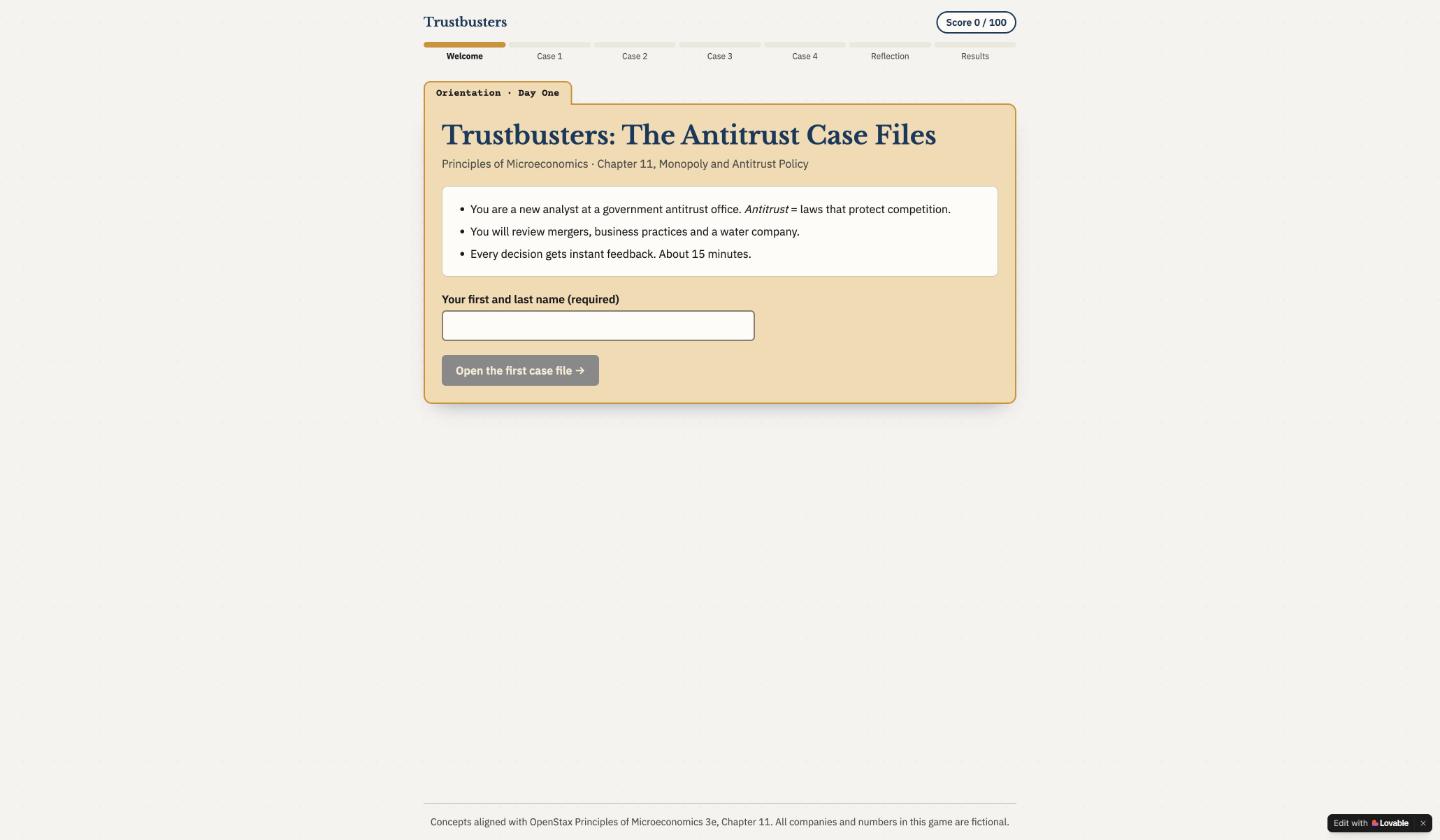
Trustbusters: The Antitrust Case Files
Students become new analysts at a government antitrust office. They work through four cases — mergers, business practices and a water company — and get instant feedback on every call. About 15 minutes.
Open open_in_new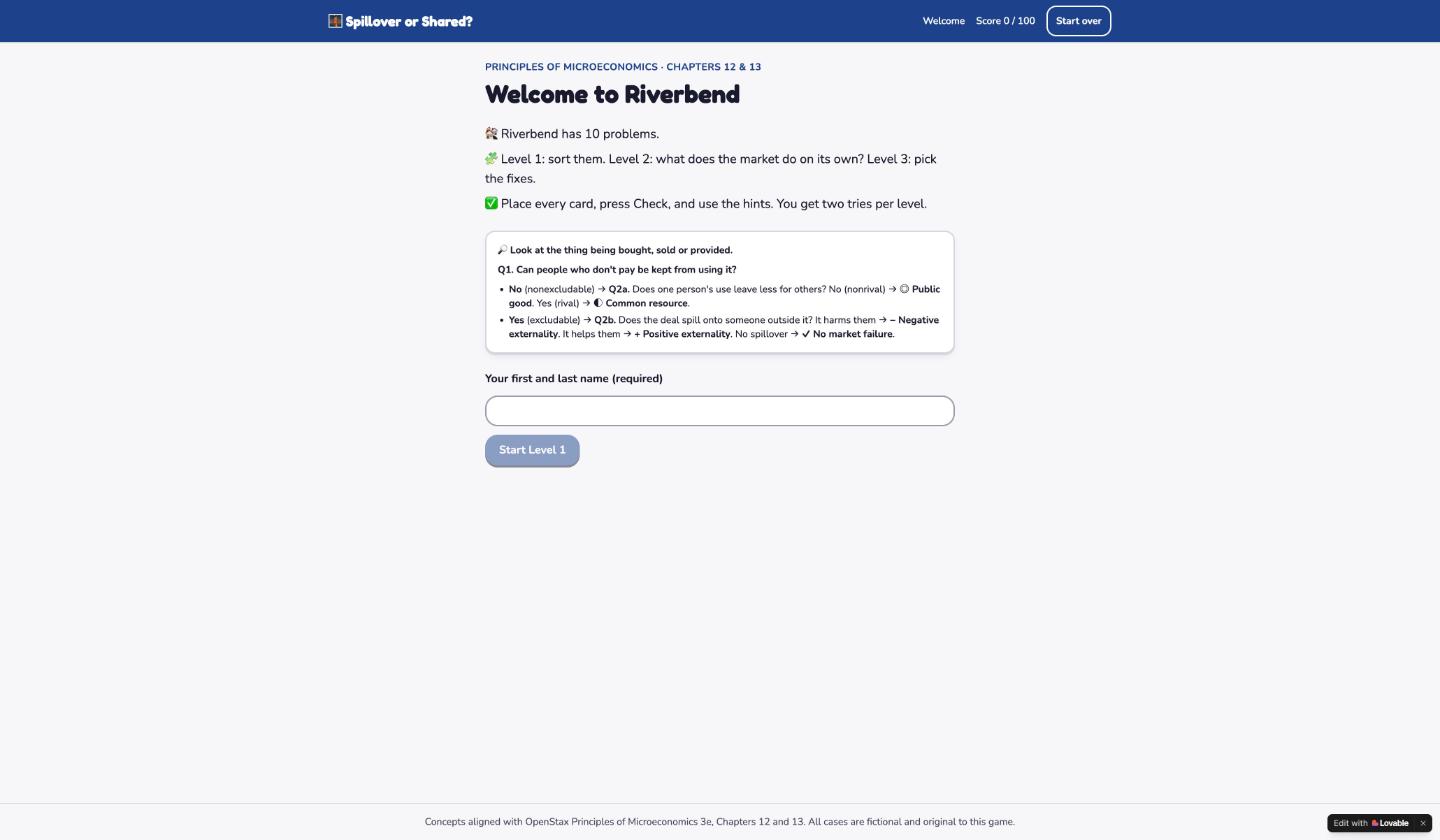
Spillover or Shared?
Ten tricky cases from the town of Riverbend. Students sort each one into public goods, common resources, externalities or no market failure — then decide what the market does on its own and which fix would actually work.
Open open_in_new
The Cliff and the Curve
Five questions, about six minutes. Students see how a raise can leave a family worse off when benefits phase out, and how economists measure income gaps with the Lorenz curve and the Gini coefficient.
Open open_in_new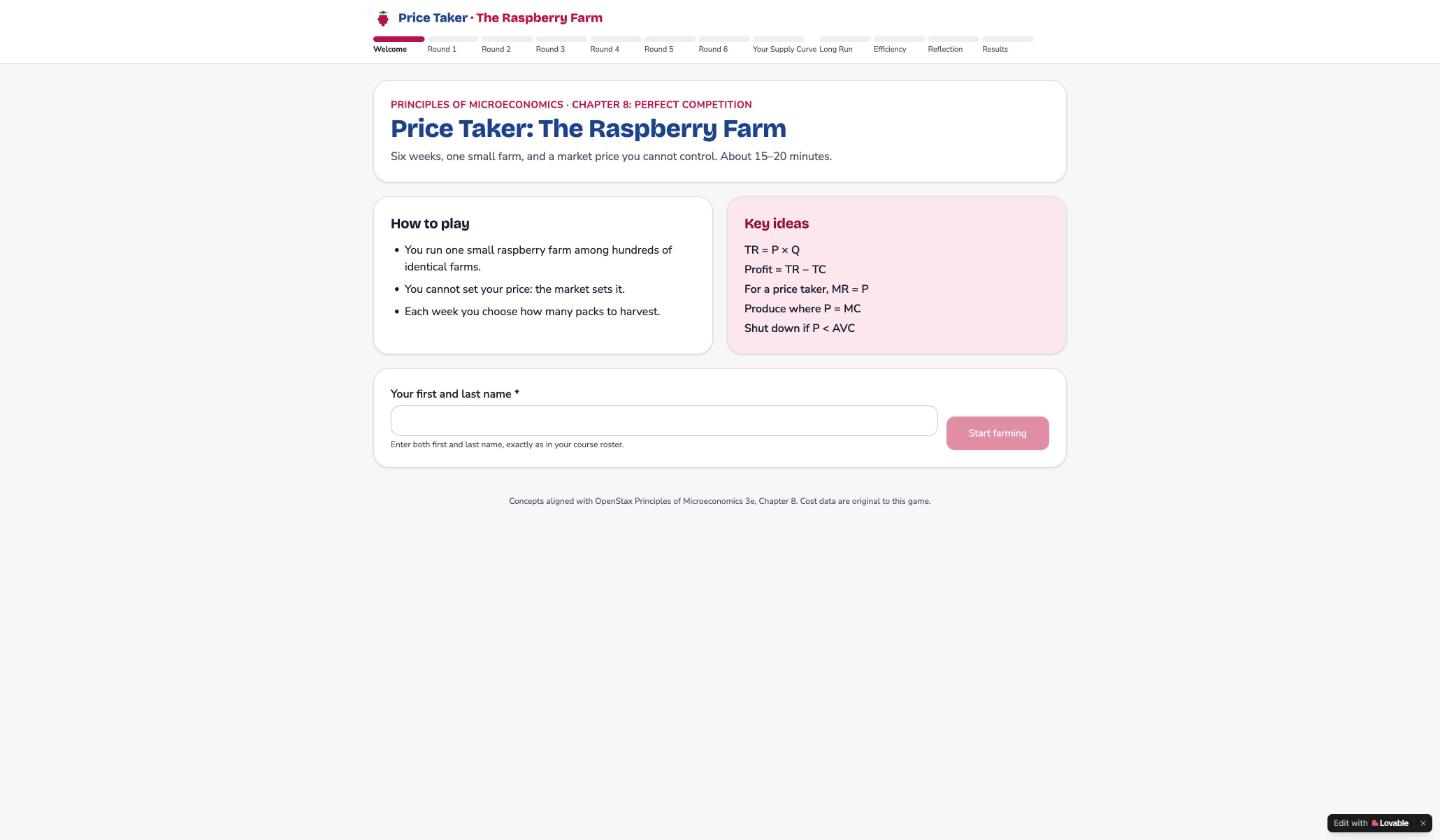
Price Taker: The Raspberry Farm
Six weeks on one small raspberry farm in a market of hundreds. Students can't set the price — they can only choose how many packs to harvest each week, and watch profits, the supply curve and the shut-down rule emerge from their own decisions.
Open open_in_new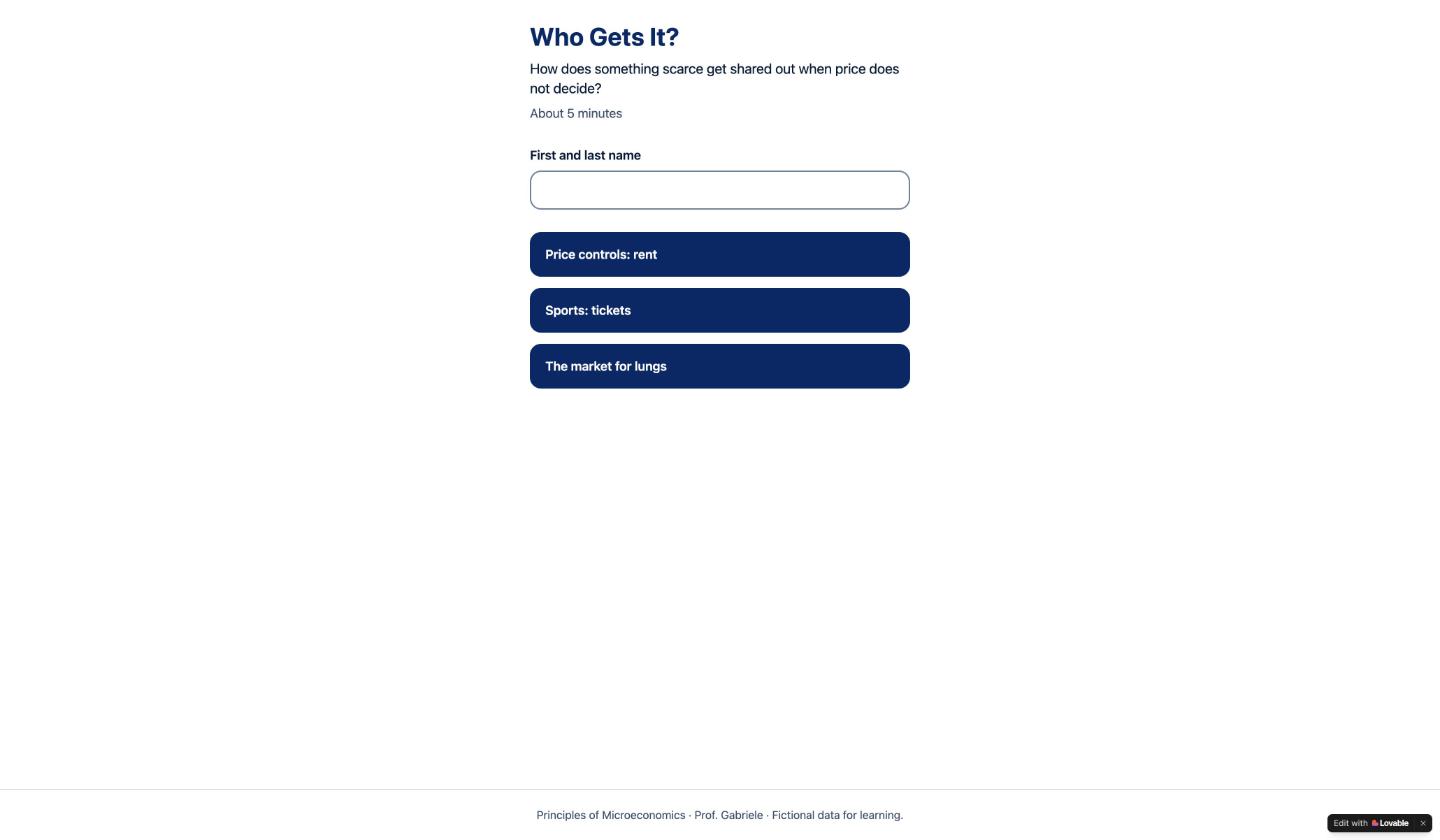
Who Gets It?
Three short cases — rent control, concert tickets and the market for lungs — where price is not allowed to do the rationing. About five minutes to see what takes over when markets can't clear on their own.
Open open_in_new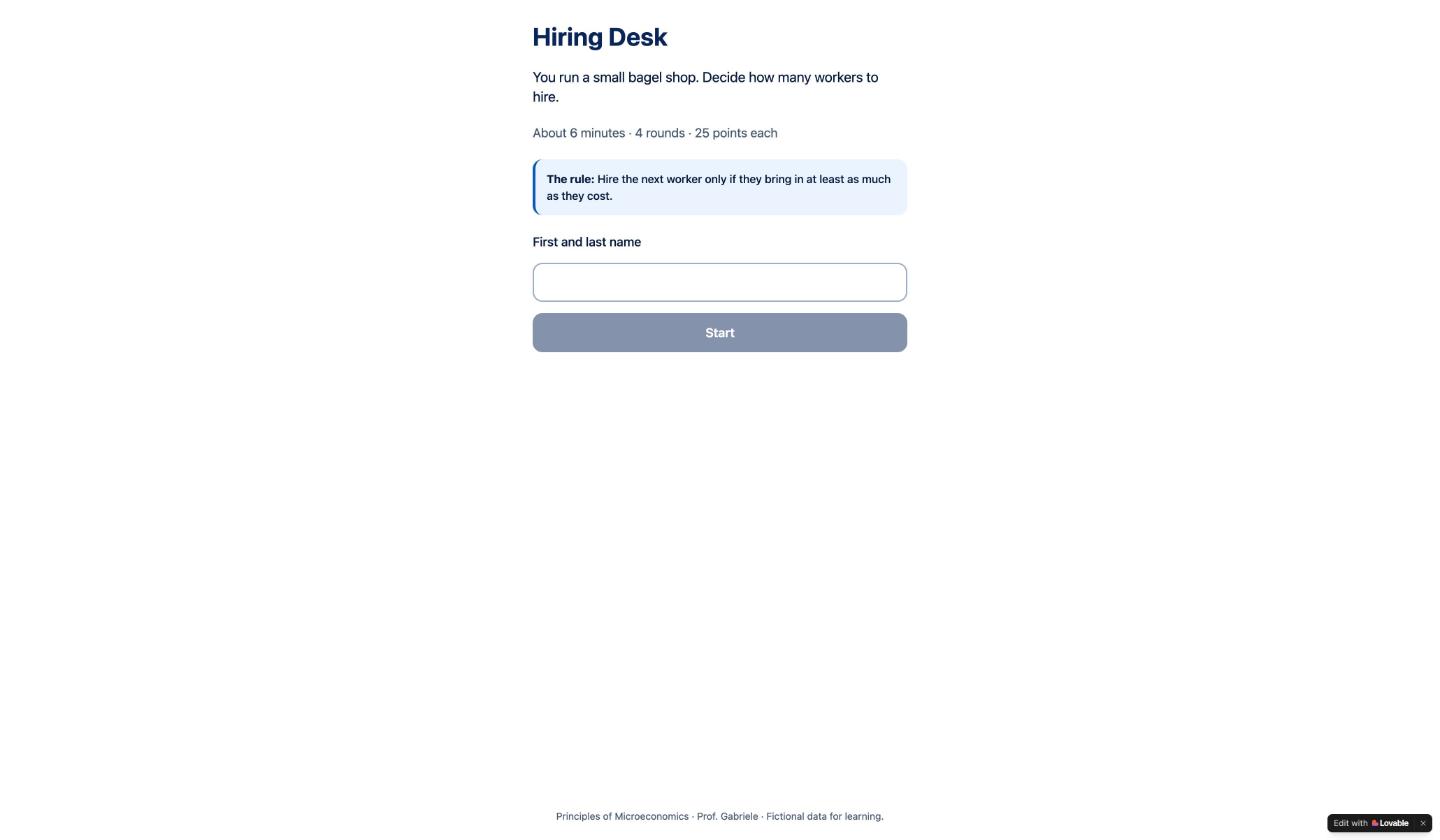
Hiring Desk
Students run a small bagel shop and decide how many workers to hire across four rounds. The rule is deceptively simple — hire one more only if they bring in at least as much as they cost — and it teaches marginal revenue product the hands-on way.
Open open_in_new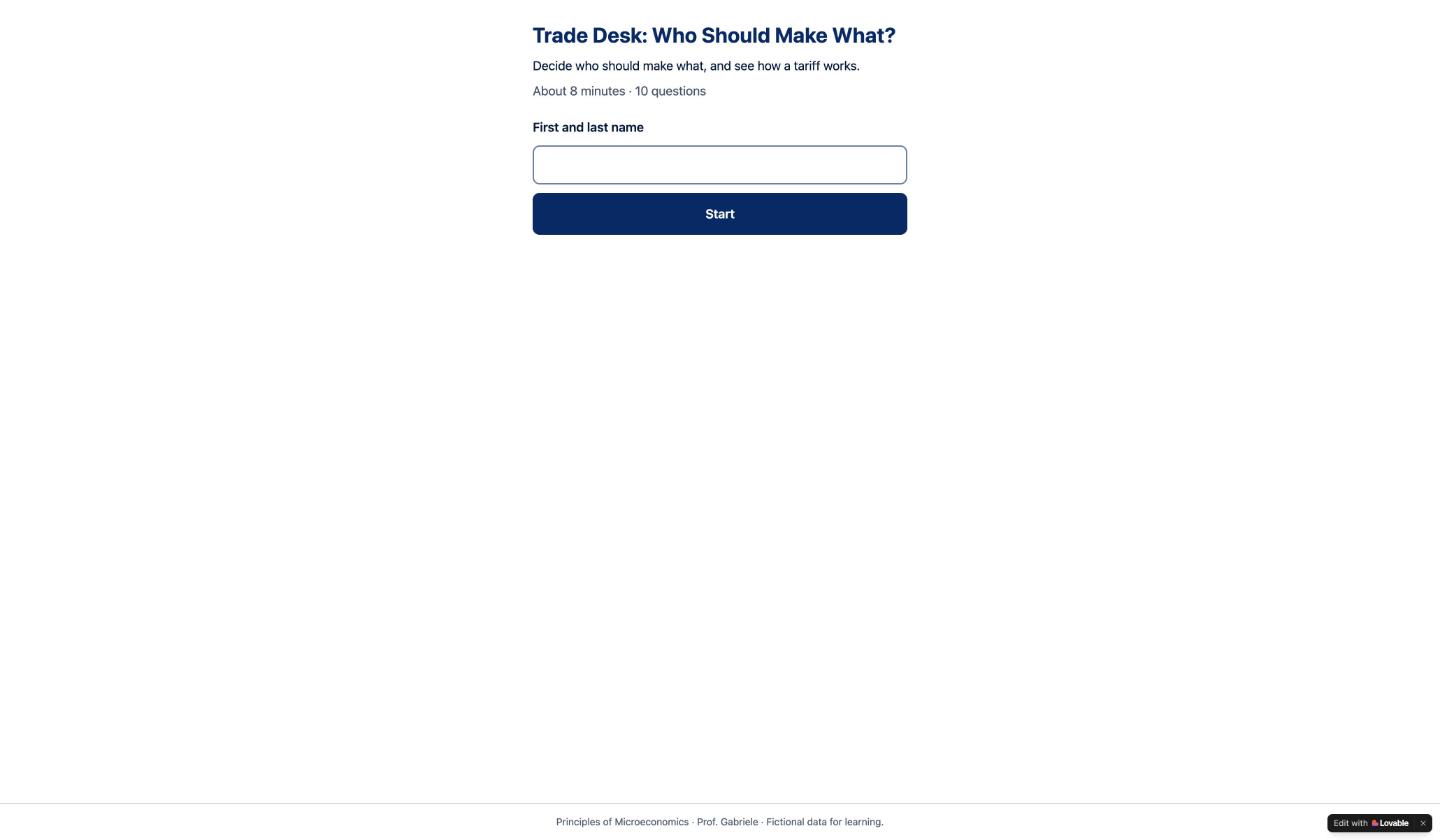
Trade Desk: Who Should Make What?
Ten questions in about eight minutes. Students decide who should make what between two trading partners, and watch what happens to producers, consumers and the government budget once a tariff is in place.
Open open_in_newPersonal Finance
Practical tools for budgeting, taxes, and life after graduation.
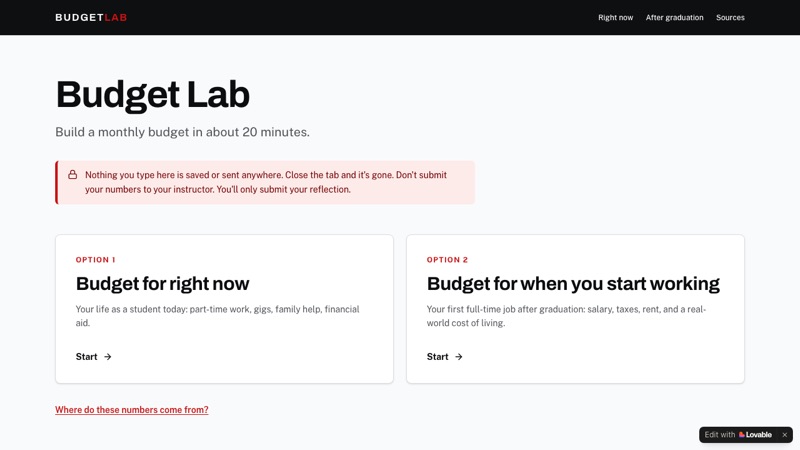
Budget Lab
A guided 20-minute activity in which students build a realistic monthly budget — for their life as a student today or for their first full-time job, with salary, taxes, and rent. Designed for young musicians. Nothing students type is saved or shared.
Open open_in_new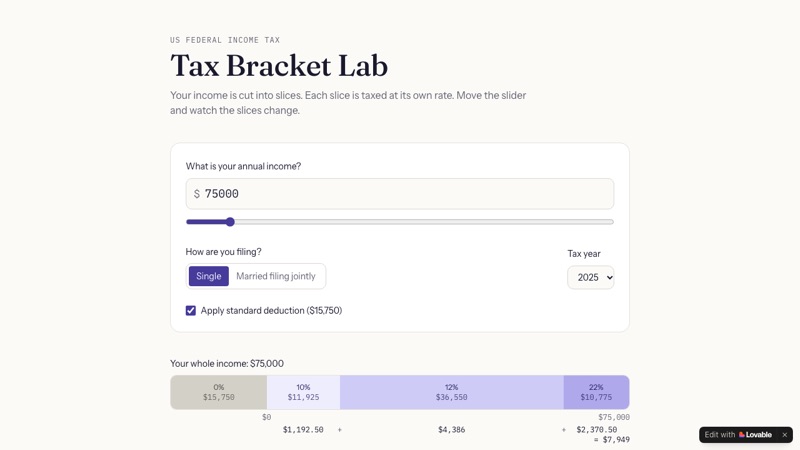
Tax Bracket Lab
An interactive calculator that shows how US federal income tax brackets really work. Students move a slider and watch their income split into slices, each taxed at its own rate — clearing up the common myth that moving into a higher bracket means all your income is taxed more.
Open open_in_new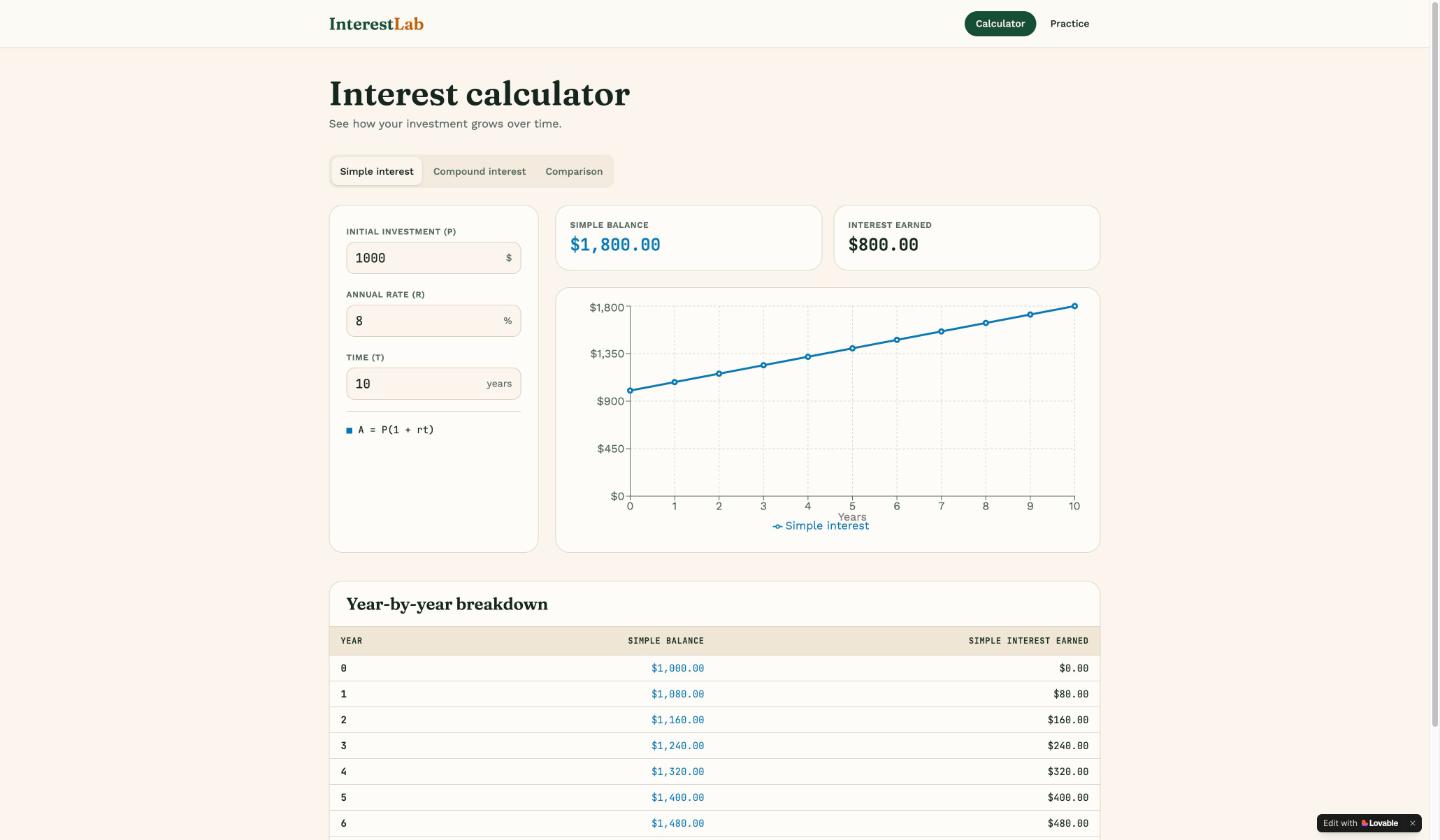
InterestLab
Three tabs — simple interest, compound interest and a side-by-side comparison. Students change the amount, rate and time and watch a chart and a year-by-year table update in real time, so the gap between the two formulas becomes obvious.
Open open_in_new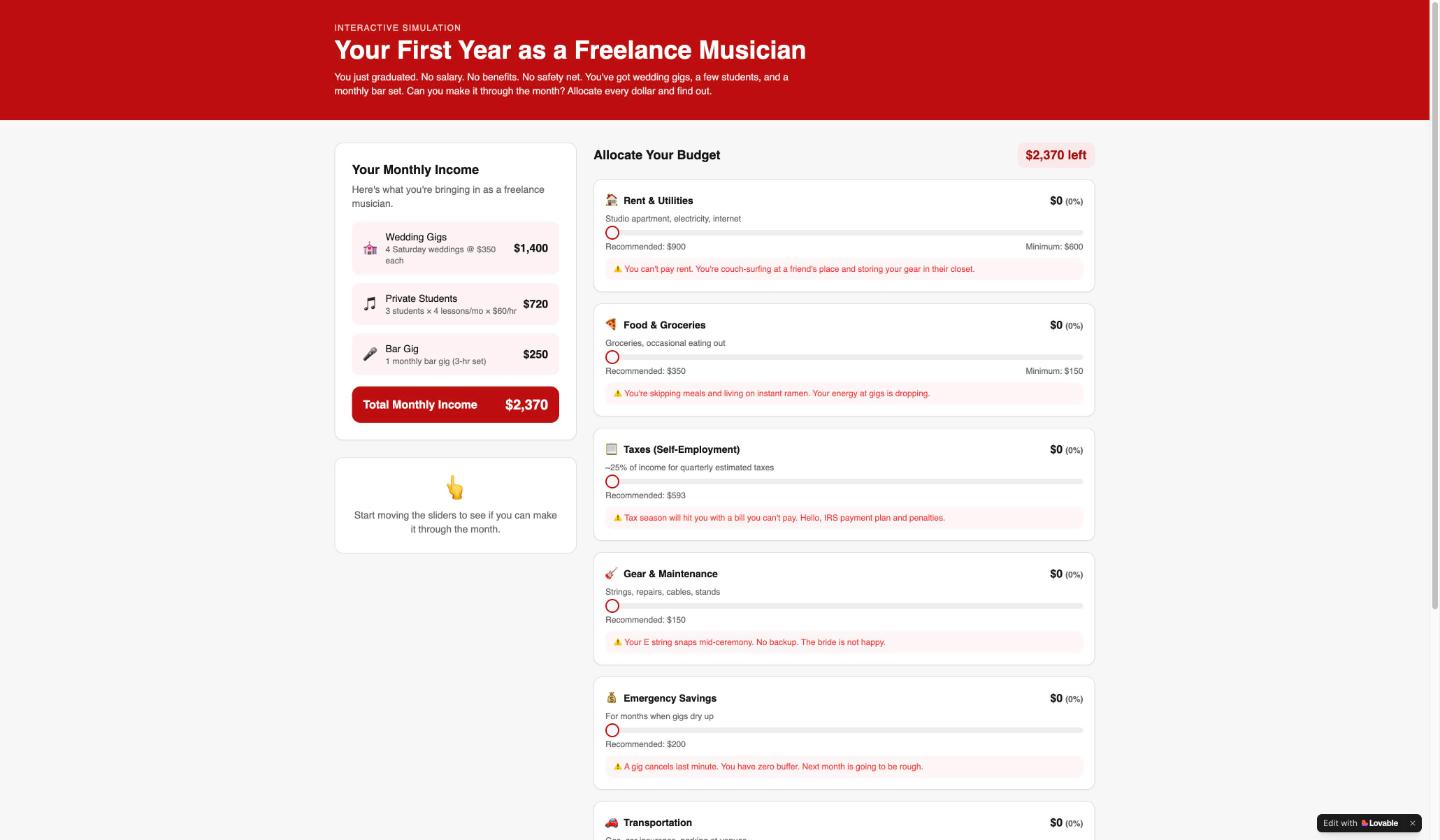
Your First Year as a Freelance Musician
Students just graduated. No salary, no benefits, $2,370 in gig income — and they have to allocate every dollar across rent, groceries, taxes, gear, savings and the rest. Each slider shows what happens when the budget can't cover the basics.
Open open_in_new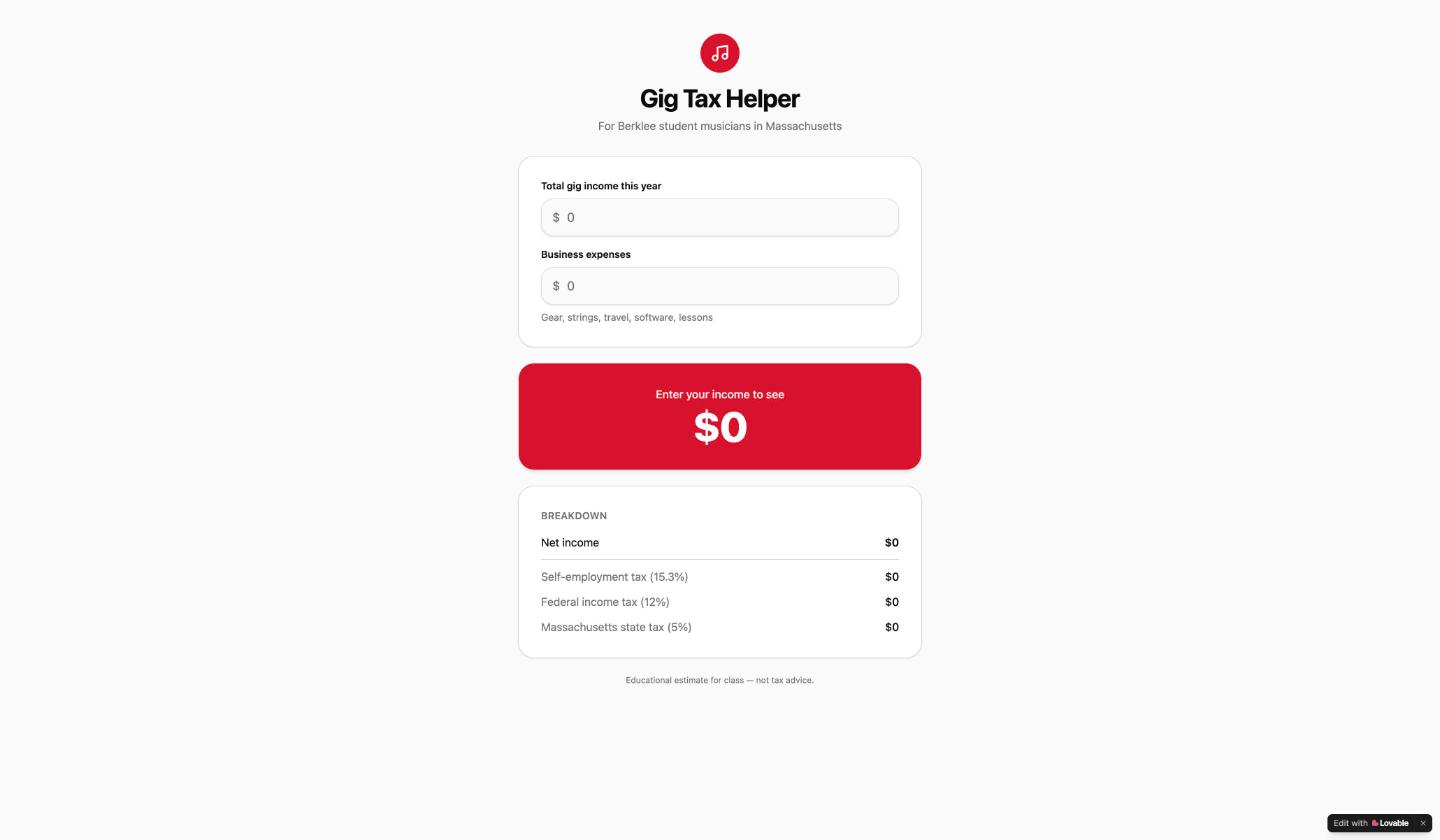
Gig Tax Helper
A quick estimator for Berklee student musicians in Massachusetts. Enter gig income and business expenses and see the full breakdown — self-employment tax, federal tax, state tax — and what's left. Educational, not tax advice.
Open open_in_new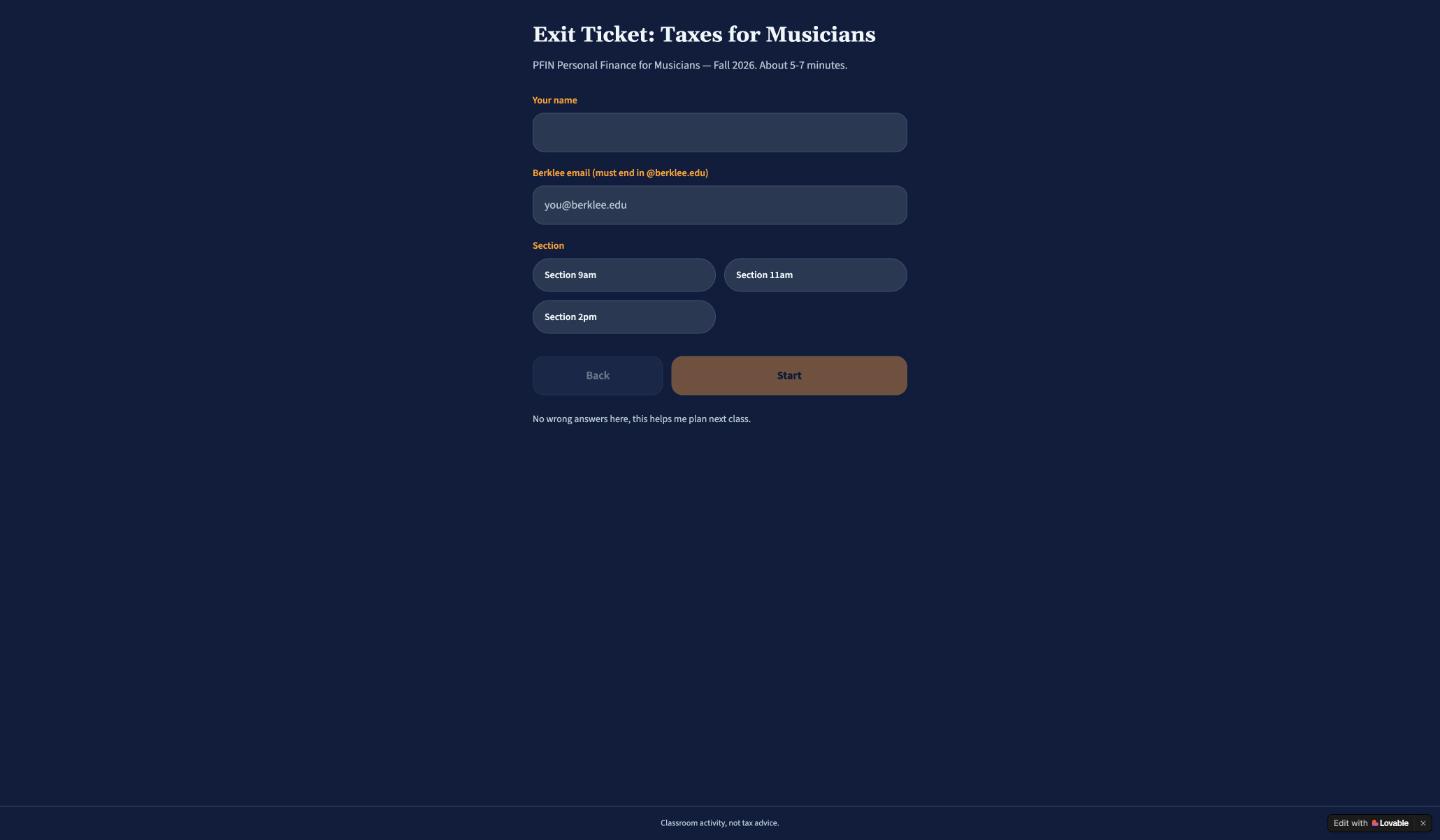
Exit Ticket: Taxes for Musicians
A five-to-seven-minute end-of-class check for the Personal Finance for Musicians course at Berklee. Students confirm their section, answer a handful of targeted questions, and I see where the ideas on taxes are landing — and where I need to loop back next class.
Open open_in_new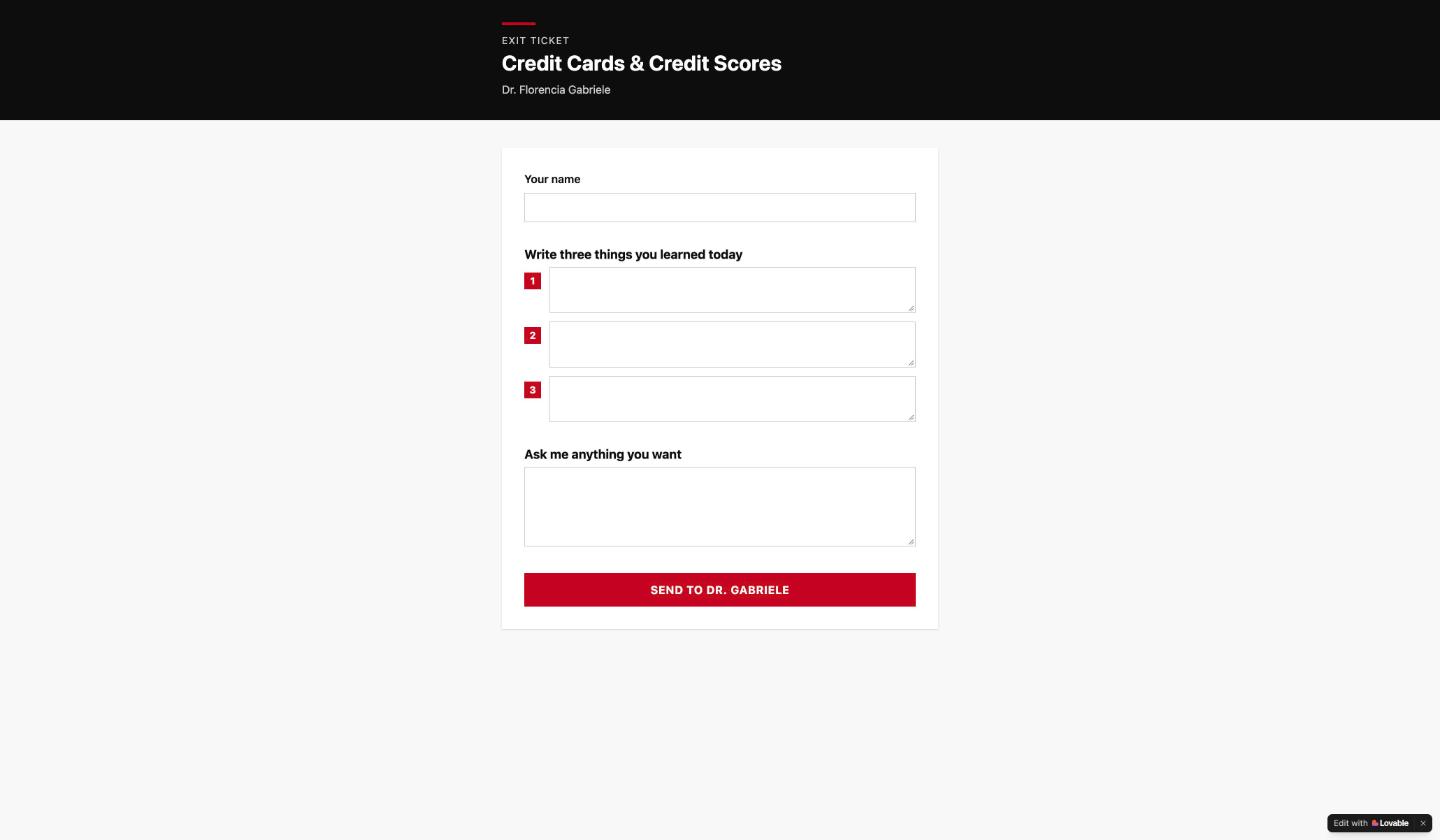
Exit Ticket: Credit Cards & Credit Scores
A focused exit ticket for the credit cards and credit scores class. Students write three things they learned and one thing they still want to ask — so the follow-up class answers the questions they actually have.
Open open_in_new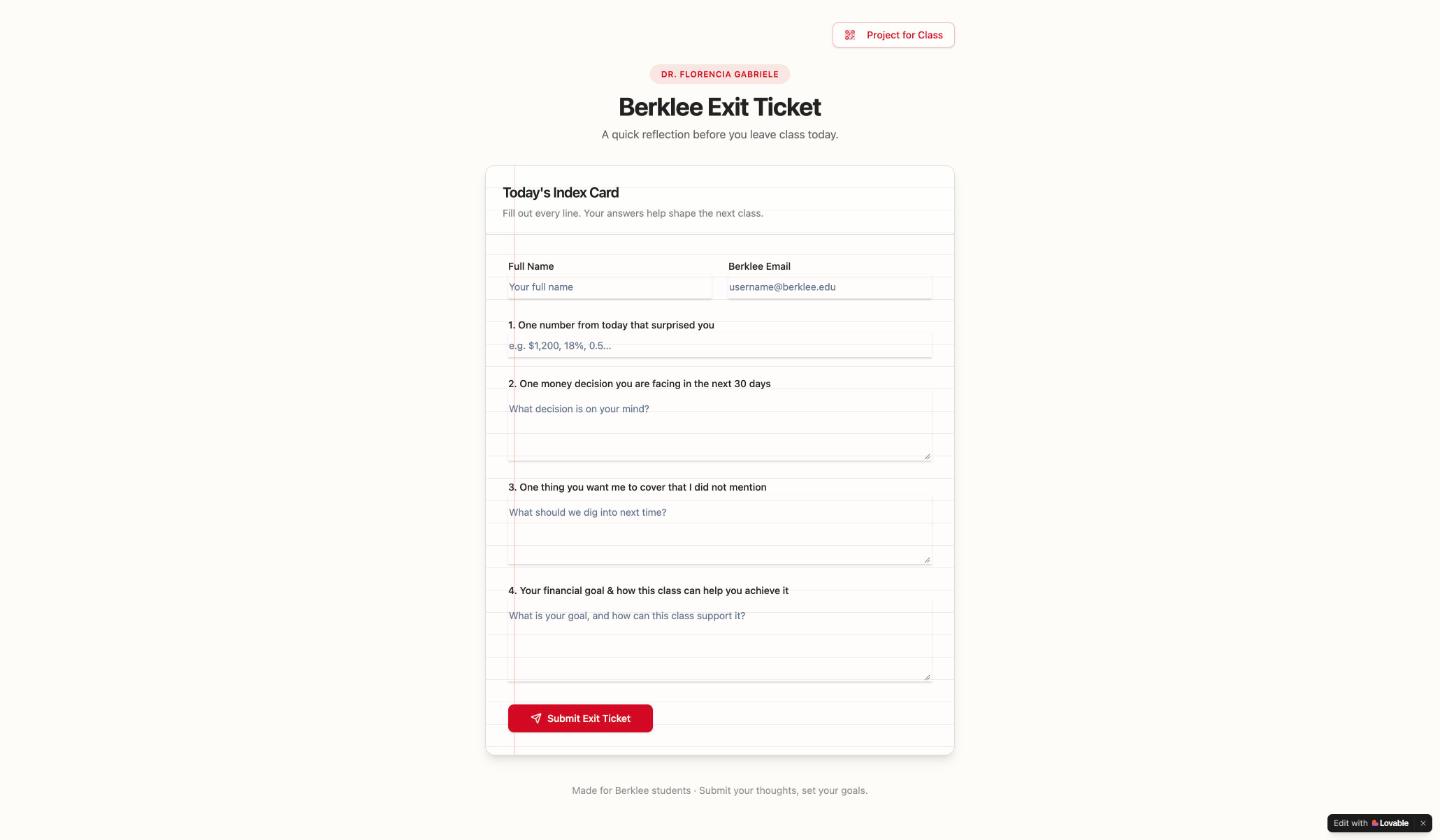
Berklee Exit Ticket
A reusable end-of-class index card: one number that surprised you, one money decision coming up in the next 30 days, one thing you want covered next, and the goal this class is helping you reach. Short enough to actually fill out, structured enough to use.
Open open_in_new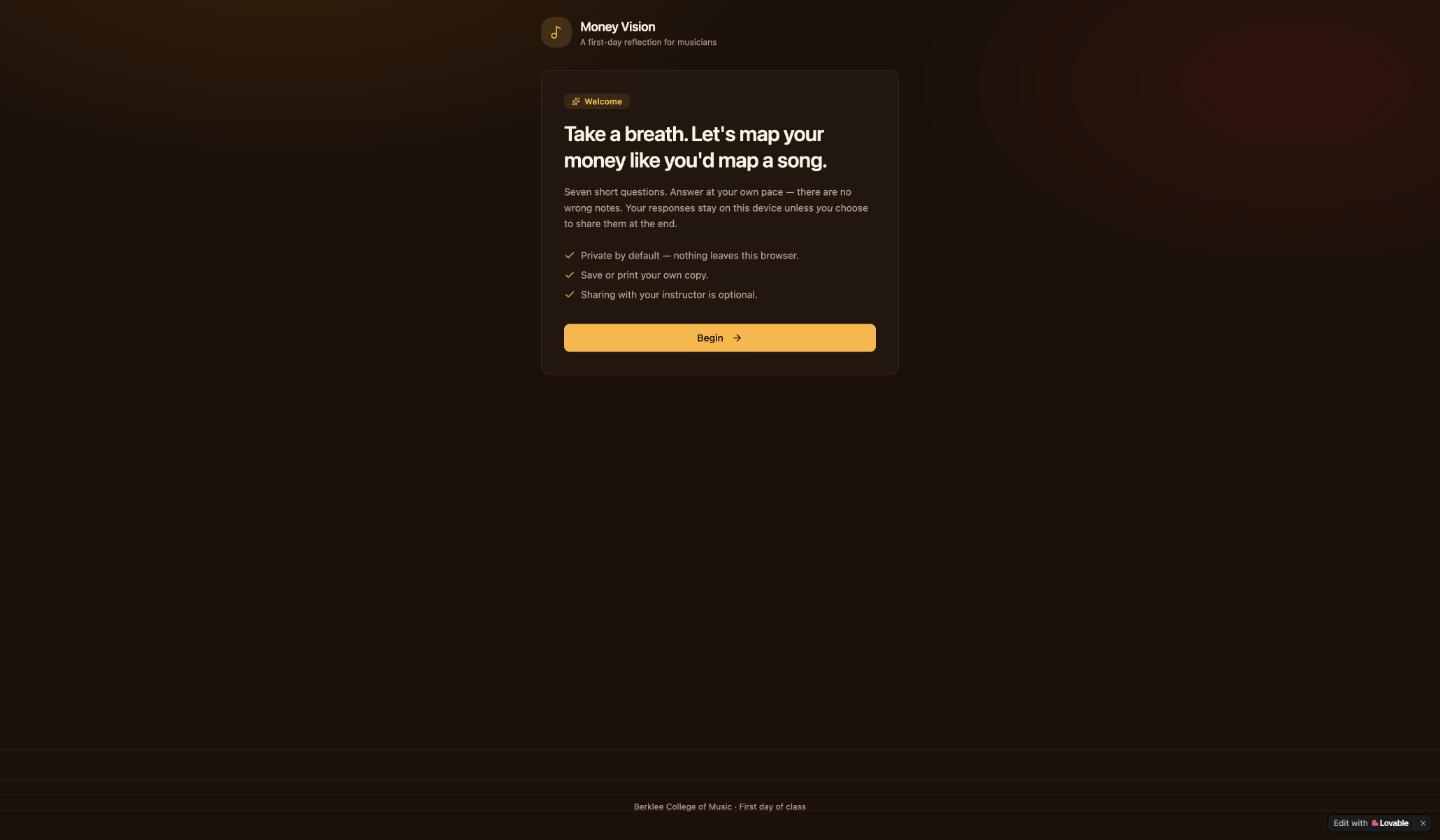
Money Vision
A first-day reflection for musicians. Seven short questions at the student's own pace — private by default, nothing leaves the browser unless they choose to share — so they come into the course knowing what they already think about money.
Open open_in_new
What's Your Risk Dynamic?
Eight quick questions, no right answers. Side A asks about gut — how loud you'd play with your money — and Side B about your actual situation. Students leave with a reading of their own risk profile they can take into any financial decision.
Open open_in_new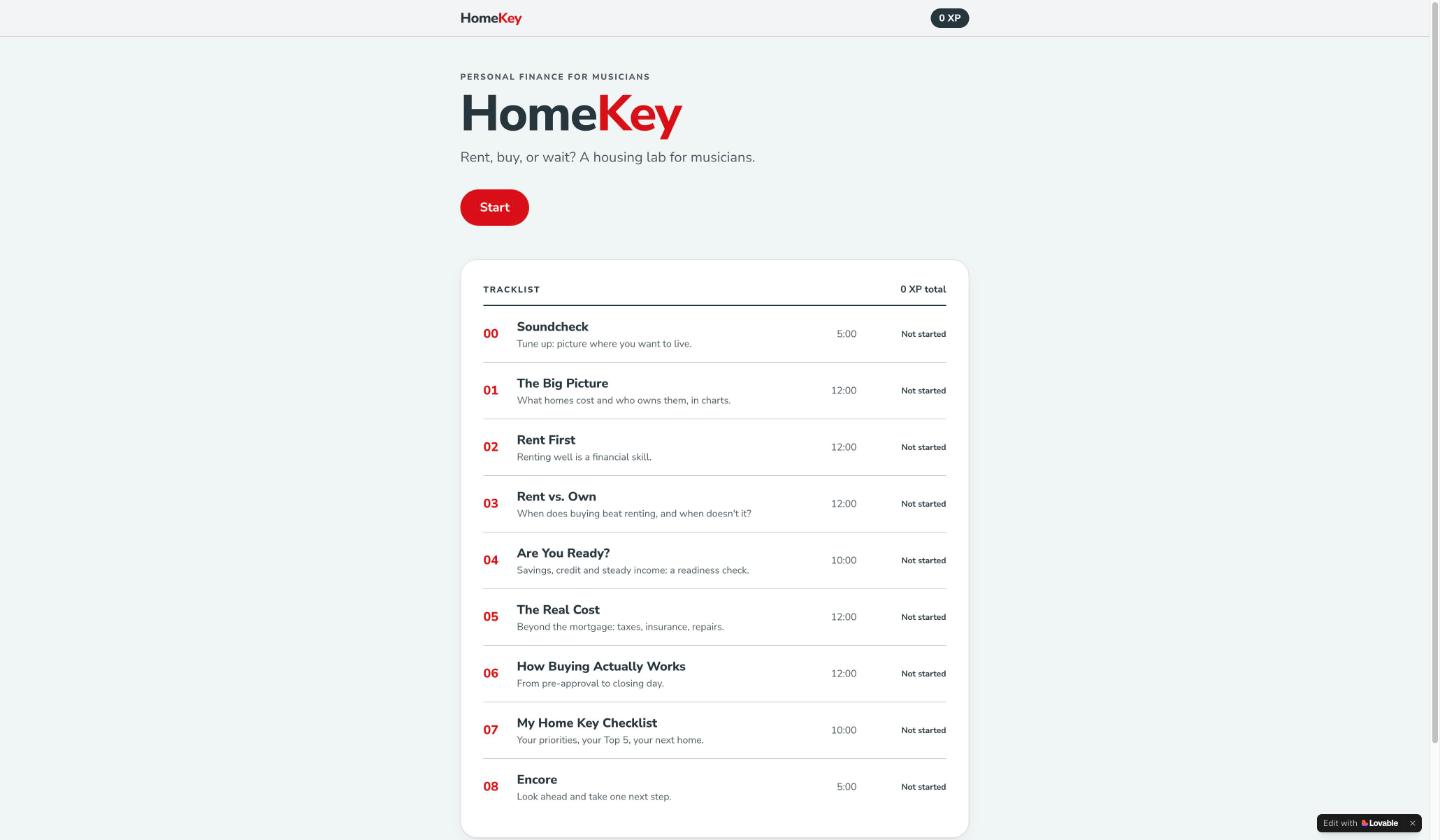
HomeKey
A nine-track housing lab for musicians — from the big picture of what homes cost to renting well, rent vs. own, a readiness check, the real cost of ownership, how buying actually works, and a personal checklist. About 90 minutes end to end, in XP-sized bites.
Open open_in_newClassroom Tools
Small, reusable tools that make day-to-day teaching flow better — subject-agnostic.
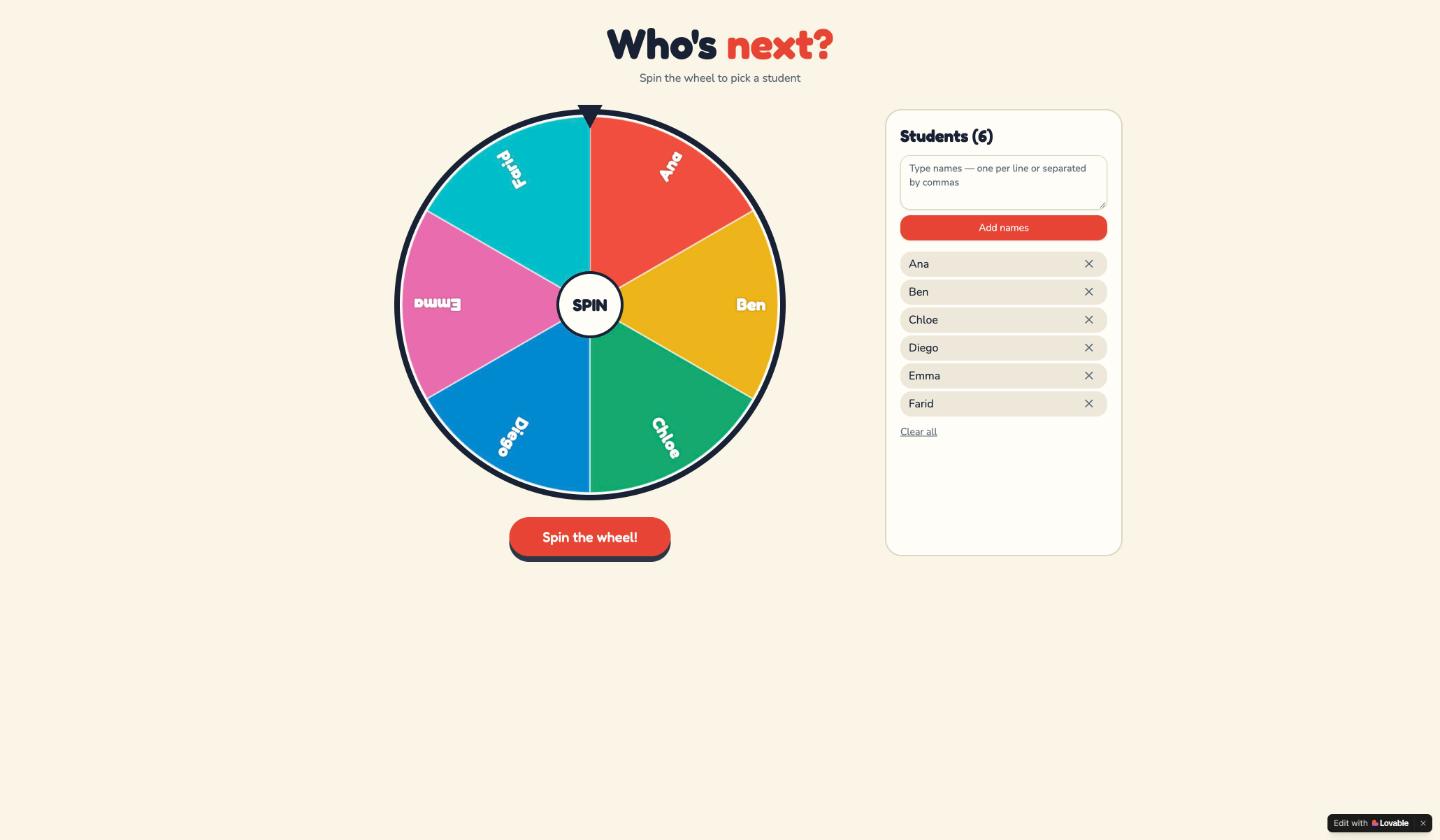
Who's Next?
A bright colour-block wheel for picking a student at random. Paste the class list, hit spin, and a confetti burst announces who's up — a tiny ritual that makes cold-calling feel like a game.
Open open_in_new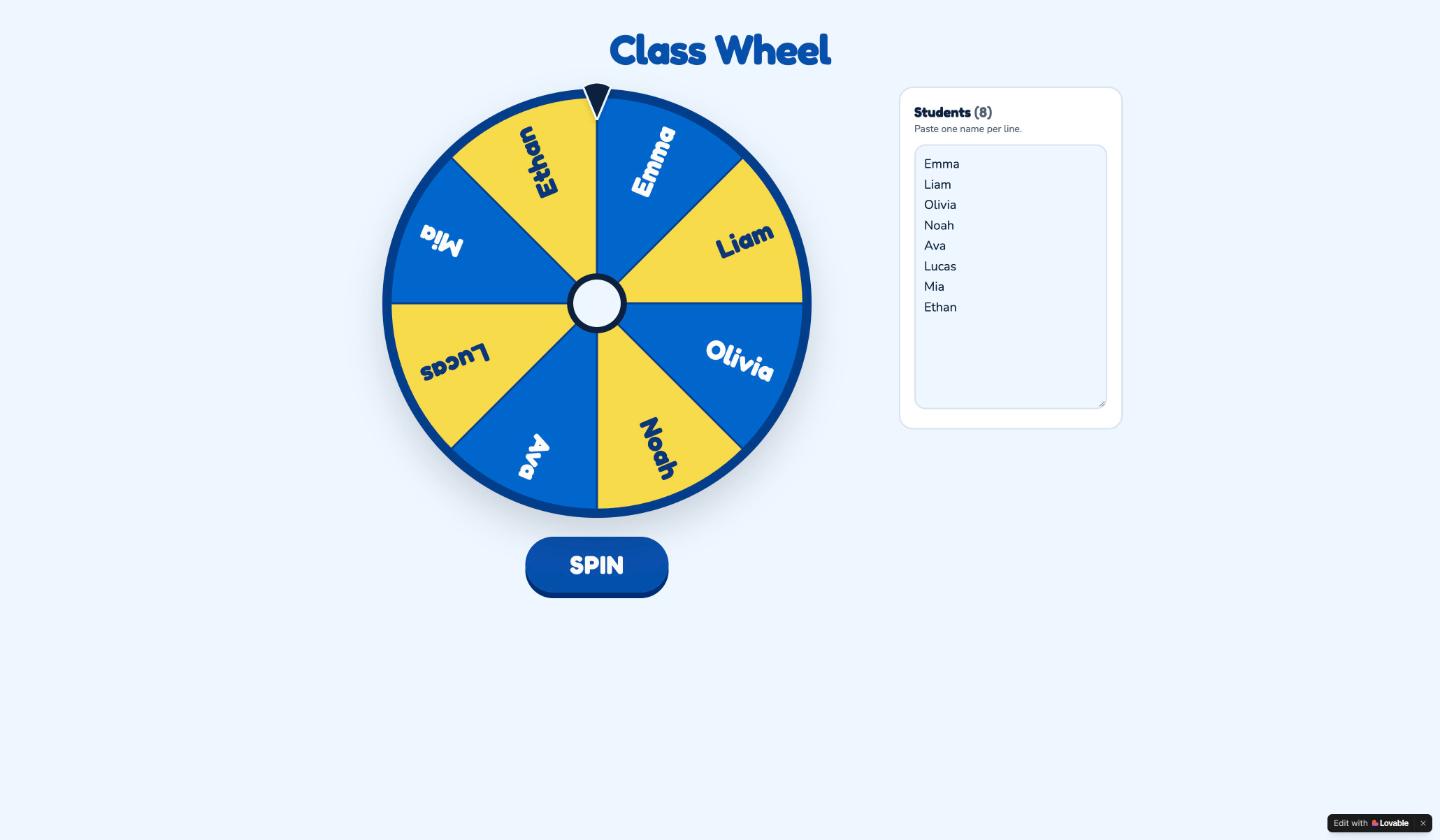
Class Wheel
A quieter, blue-and-yellow version of the random name picker — same idea, cleaner look, no confetti. One name per line, spin, done. Good for classrooms where you want the fairness of random calling without the party vibe.
Open open_in_new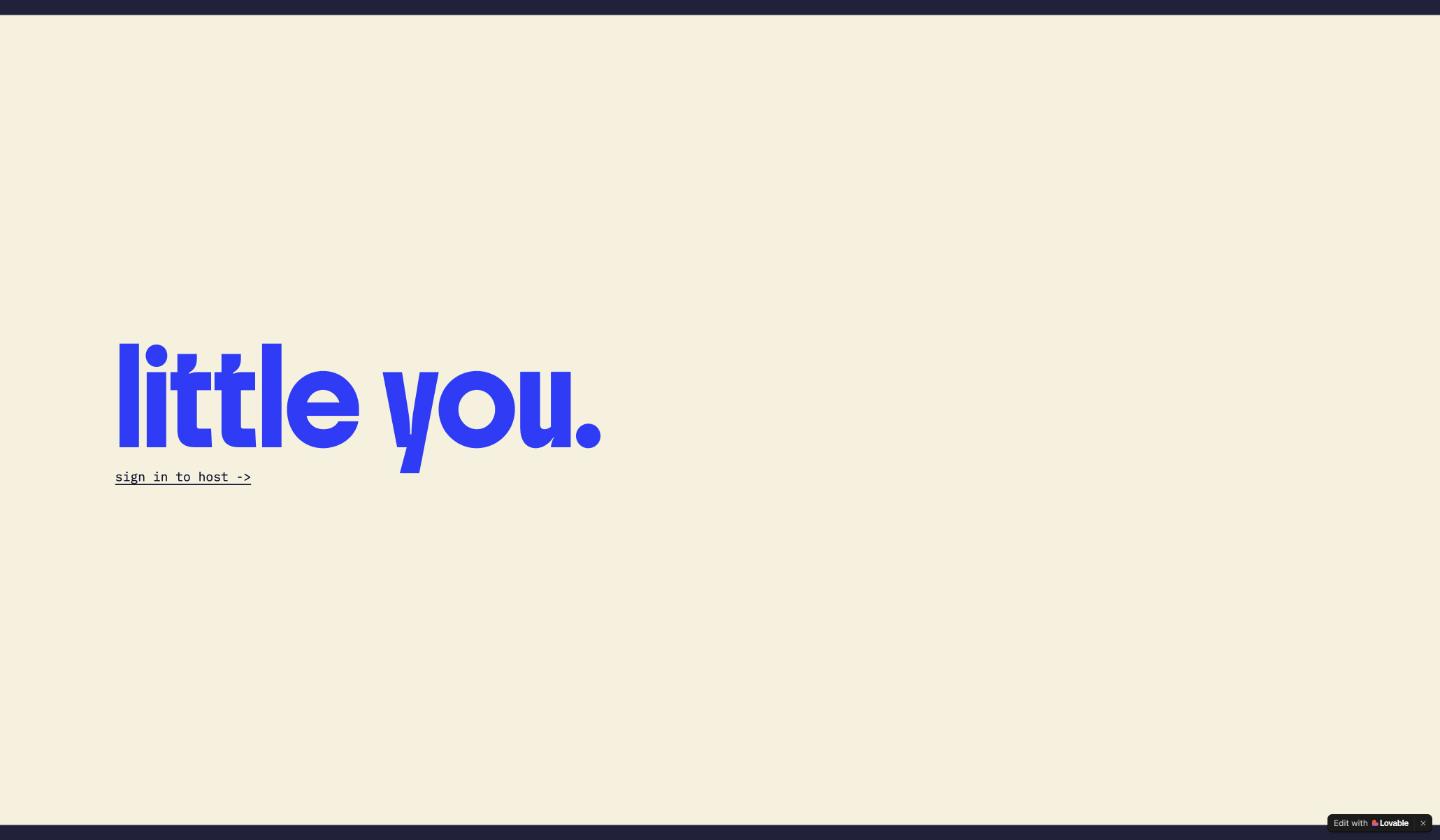
little you.
A hushed backchannel for the room. The host signs in, students join and leave short notes under their own quiet voice — the questions no one wants to raise their hand to ask, the "say that again" moments, the one-line reactions.
Open open_in_newSpanish
Games and classroom tools for Spanish-speaking classrooms.
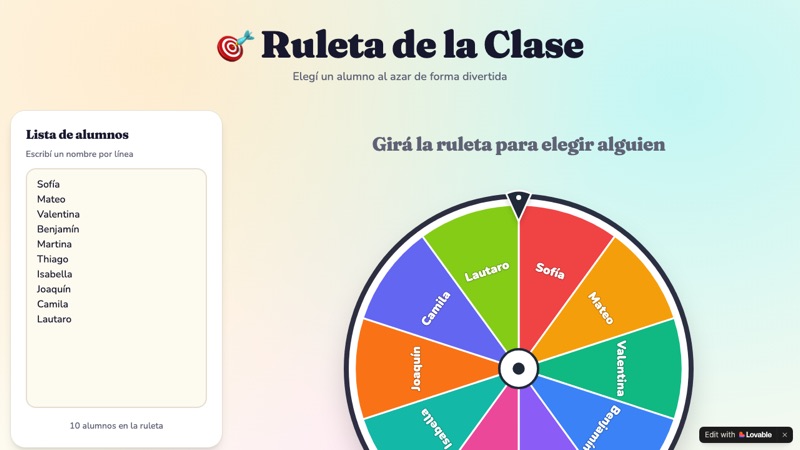
Ruleta de la Clase
A colorful wheel for picking a student at random. Type in the class list, spin, and remove whoever was chosen so everyone gets a turn. A simple way to make participation fair — and a little more exciting.
Open open_in_new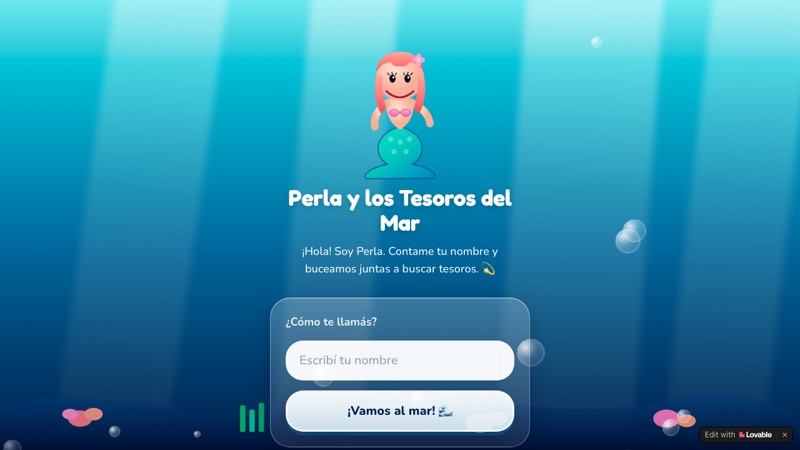
Perla y los Tesoros del Mar
Children dive with Perla the mermaid on an underwater treasure hunt while practicing their multiplication tables. A playful way for young learners to review the times tables until they stick.
Open open_in_new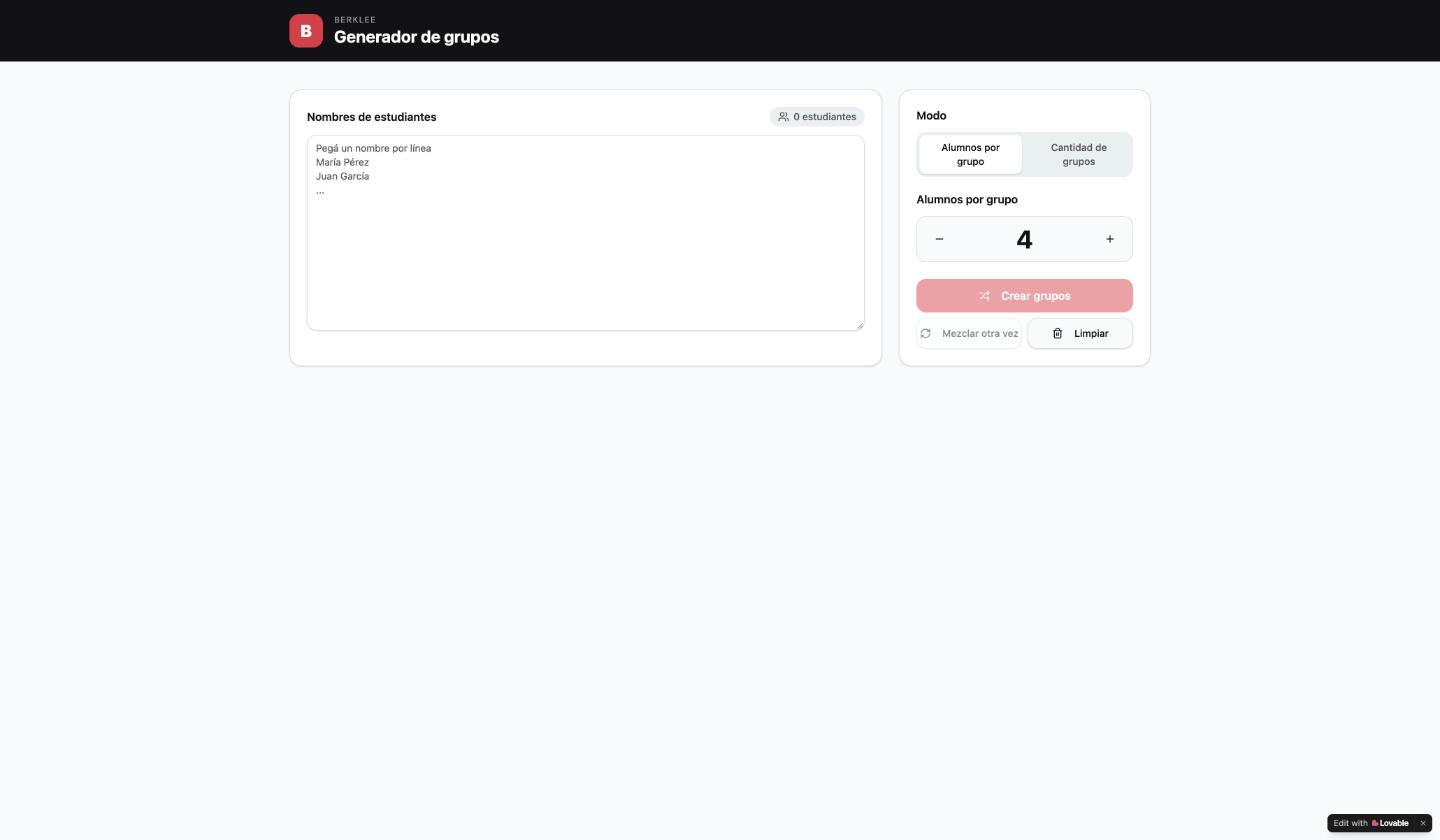
Generador de Grupos
Paste the class list, pick either a target group size or a target number of groups, and the app shuffles students into balanced teams in a click. One button to re-mix if the first split doesn't work.
Open open_in_new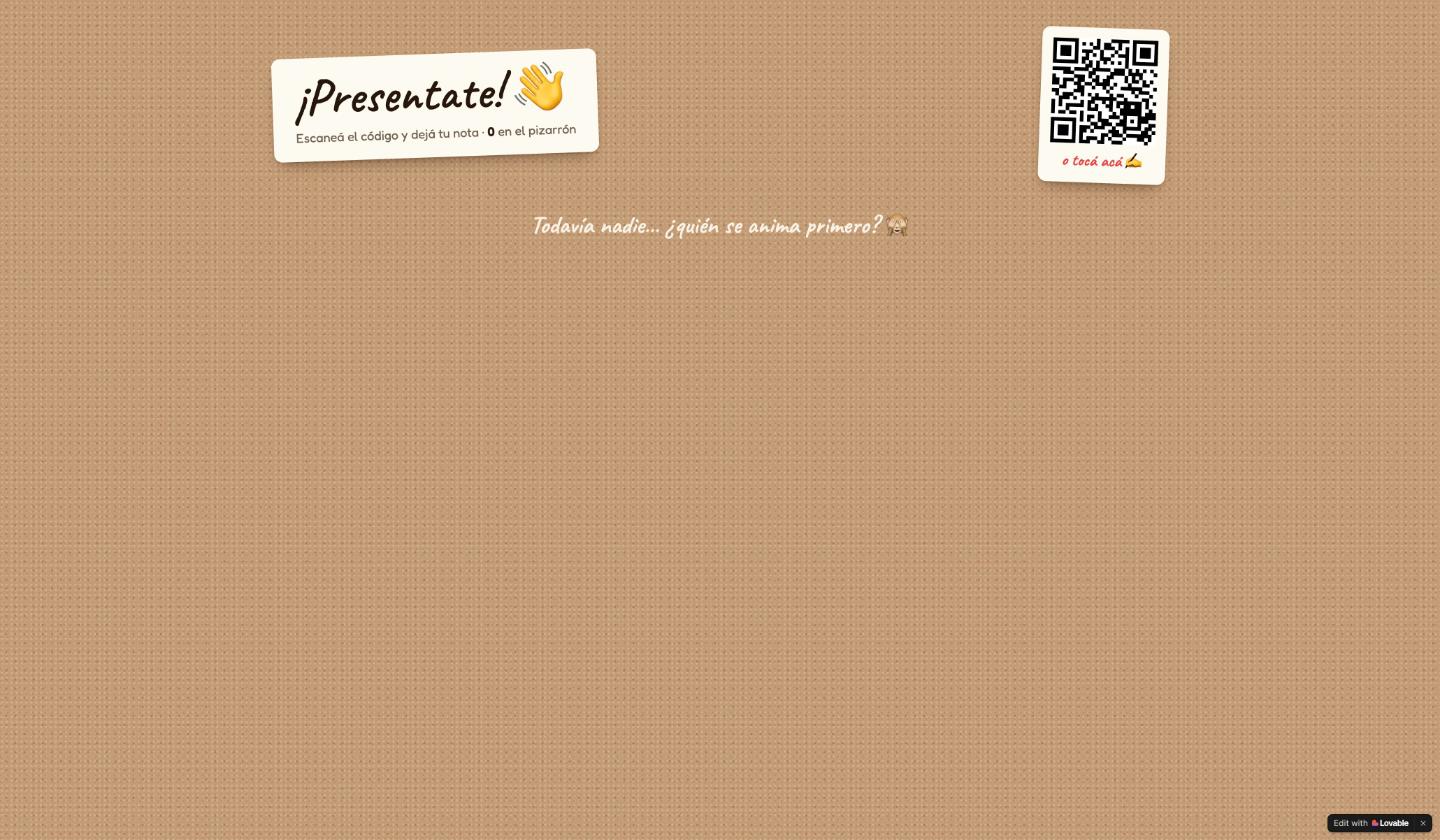
¡Presentate!
A live wall for the first day of class. Students scan a QR code (or tap the link) and leave a short note introducing themselves — everyone's name appears on the board in real time, so the room warms up before anyone has to speak.
Open open_in_new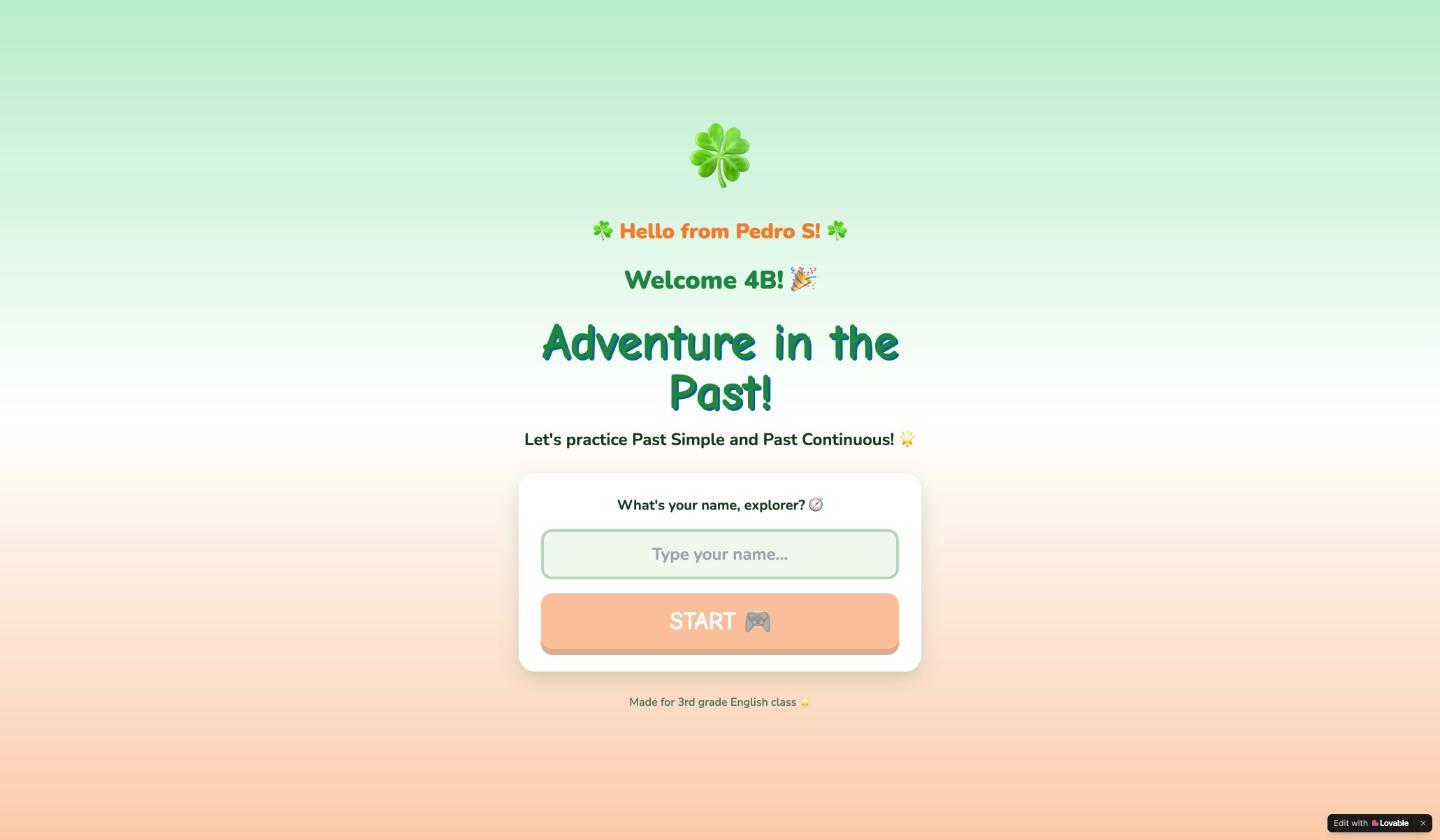
Adventure in the Past!
A friendly English game built for a third-grade class in a Spanish-speaking school. Children practise Past Simple and Past Continuous through a small adventure — each round picks up the names of the kids actually playing, so the story feels like theirs.
Open open_in_new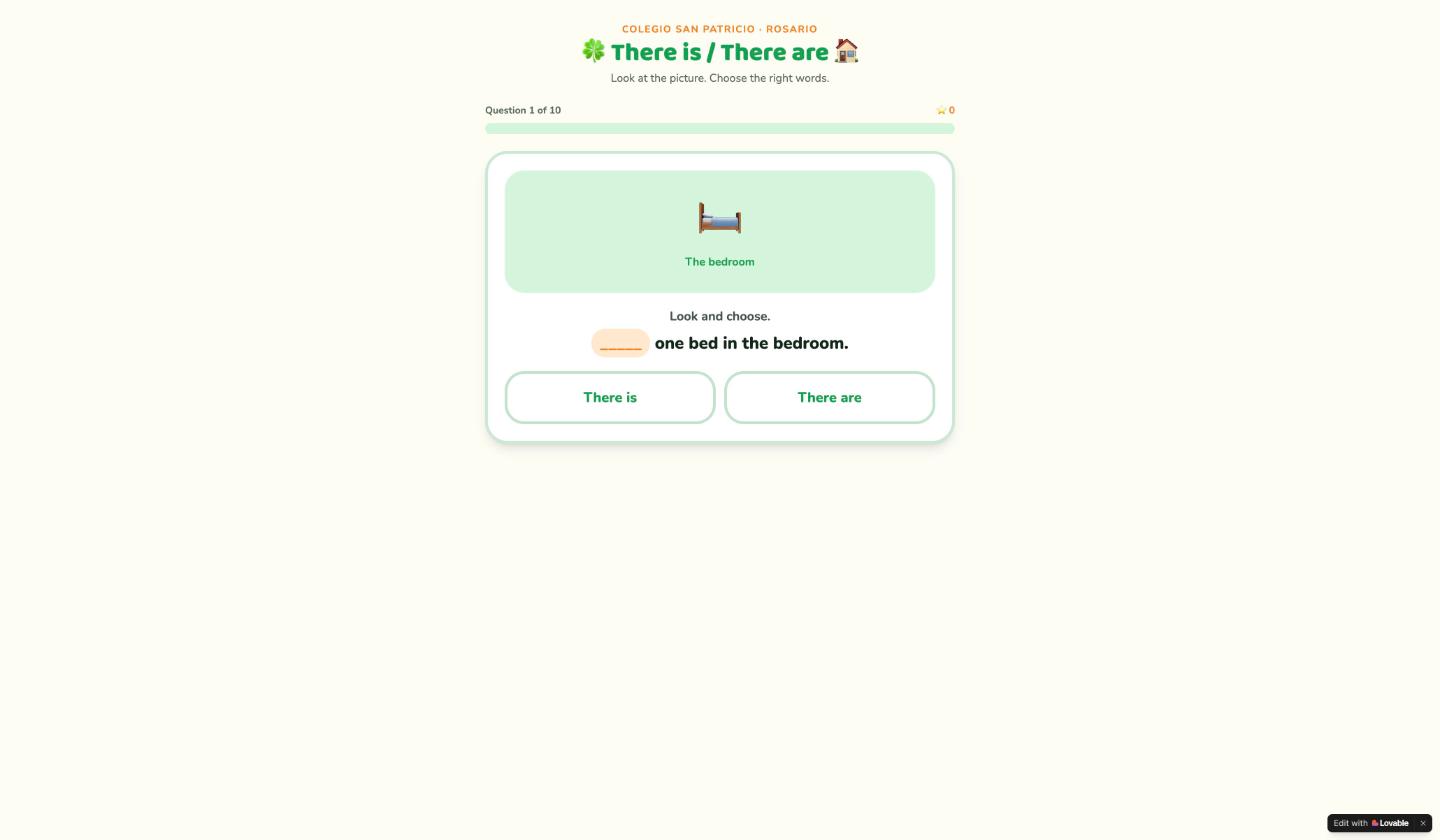
There is / There are
Ten quick questions for Spanish-speaking kids learning English. For each picture of a room, children choose "There is" or "There are" — a short, playful drill of singular vs. plural that's used in class at Colegio San Patricio in Rosario.
Open open_in_newGuaraní
Learning Guaraní — an official language of Paraguay — from Spanish.
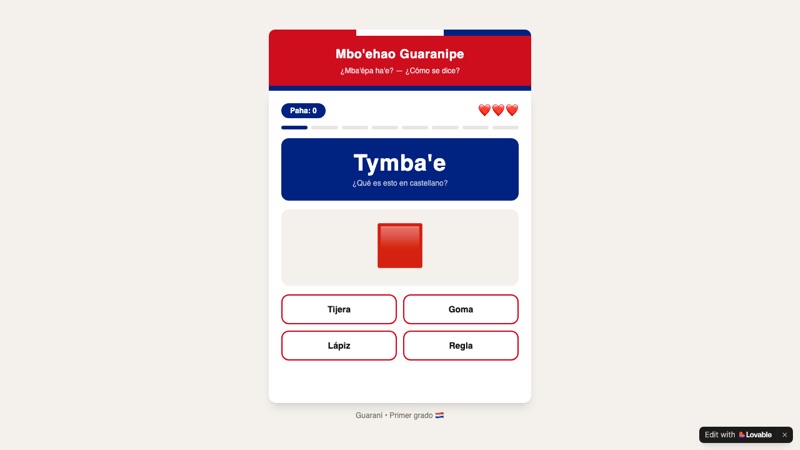
Mbo'ehao Guaranipe
An introduction to Guaraní for Spanish speakers. Children see a word in Guaraní and choose its meaning in Spanish, earning points and keeping their three lives. Built for first grade, with everyday classroom vocabulary.
Open open_in_new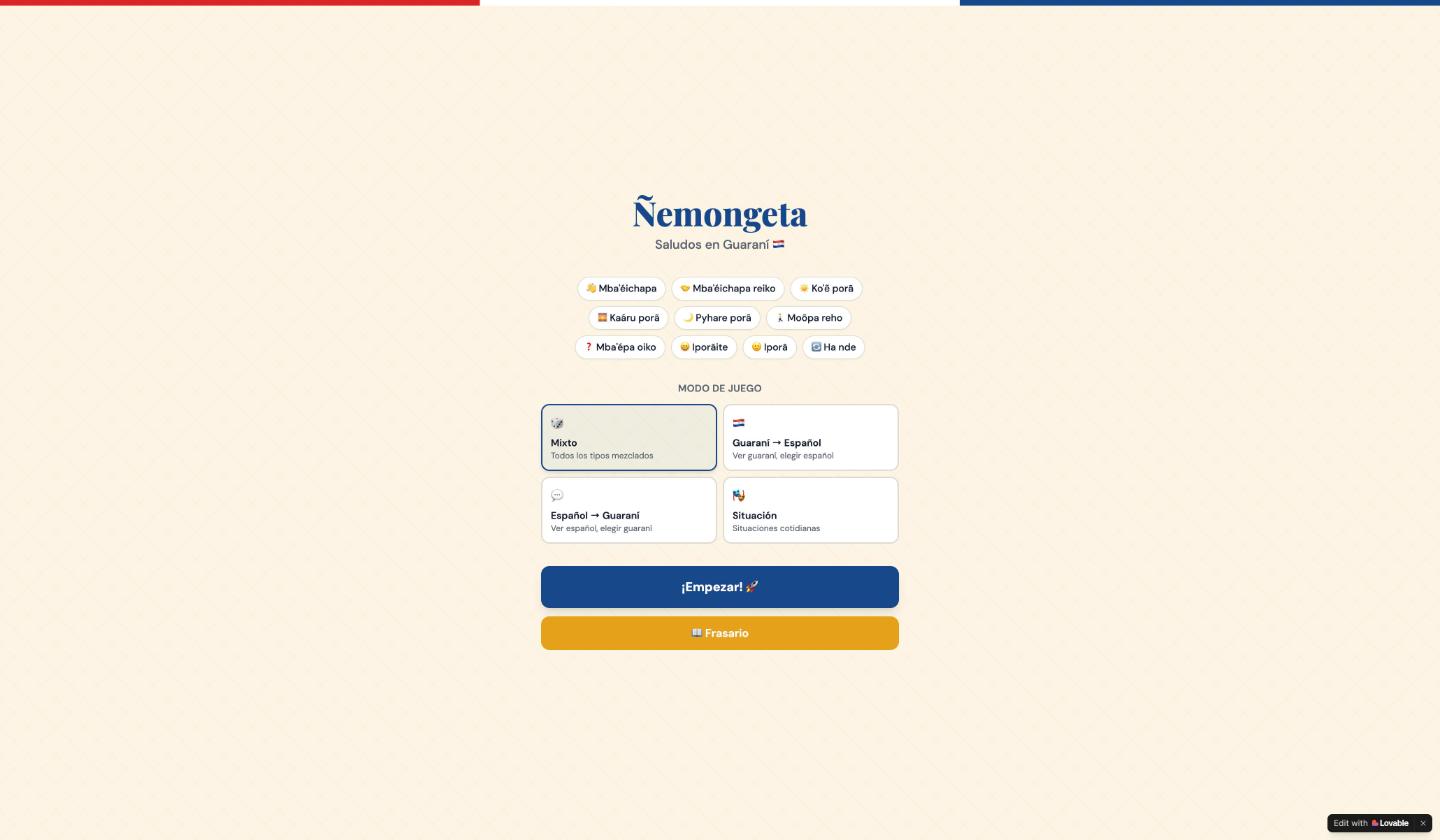
Ñemongeta: Aprende Guaraní
A greetings drill with four game modes: mixed practice, Guaraní→Spanish, Spanish→Guaraní, and short everyday situations. Comes with a phrasebook students can review before or after playing — so the greetings used every day in Paraguay actually stick.
Open open_in_new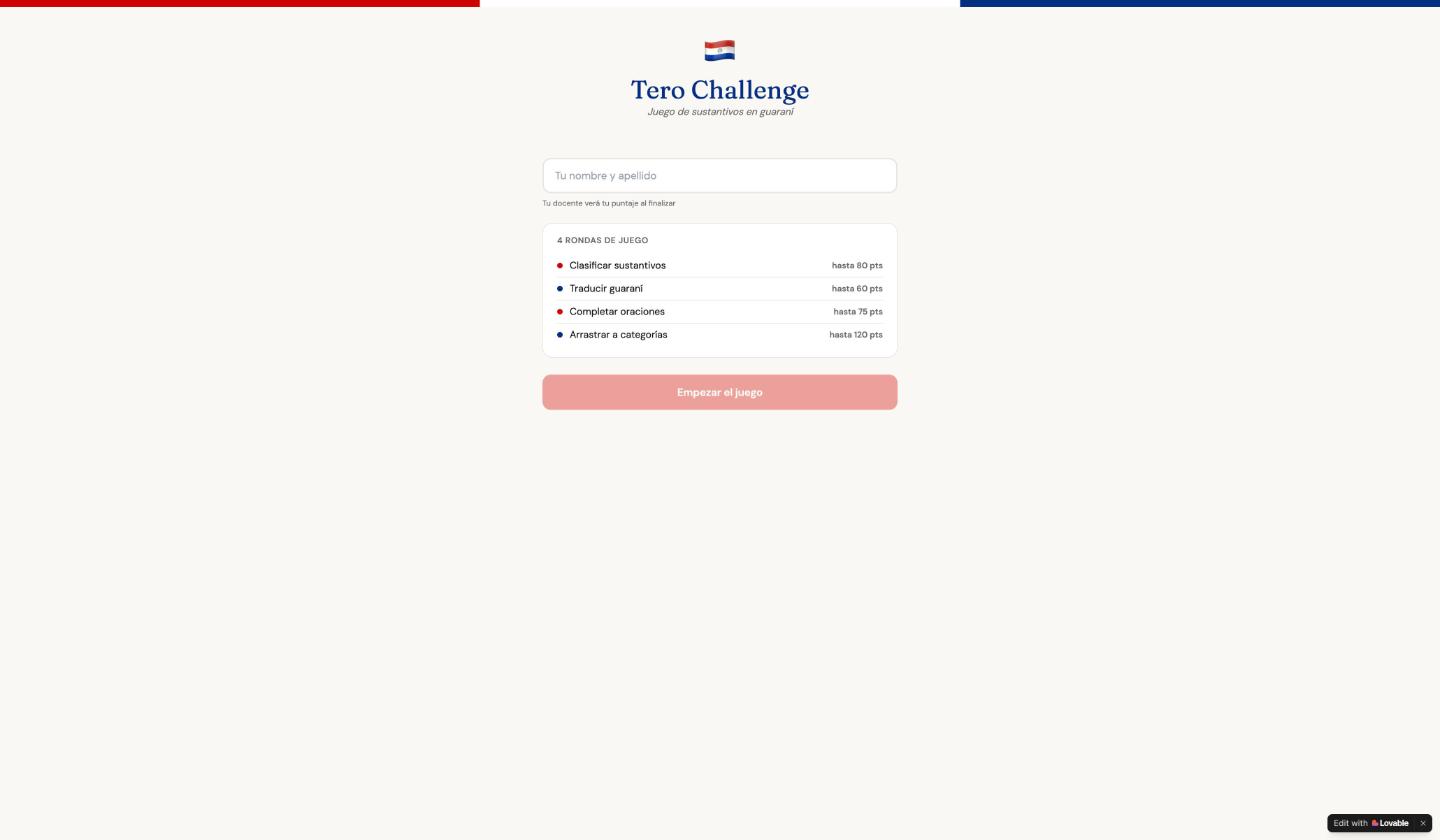
Tero Challenge
Four rounds on Guaraní nouns: classify them, translate from Guaraní, complete sentences, and drag words into their category — up to 335 points in total. The teacher sees each student's final score, so it doubles as a quick in-class check.
Open open_in_new